Dysmenorrhea Treatment in Greater Noida West | Understanding Period Pain and Its Treatment

Menstrual cramps are common, but that does not mean women should have to live with severe pain every month. For some women, period pain is mild and lasts only a few hours. For others, it can interfere with daily activities, disturb sleep and make it difficult to concentrate at work or school.

This condition is medically known as dysmenorrhea. It can occur due to the natural contractions of the uterus or because of an underlying gynaecological condition that requires medical attention.

If you are looking for Dysmenorrhea Treatment in Greater Noida West, understanding the causes, symptoms and available treatment options can help you take the right steps towards better menstrual health.

At Wonder Wombs, women can explore information about women’s health and gynaecological care to better understand their concerns and discuss appropriate medical guidance.

What Is Dysmenorrhea?

Dysmenorrhea is the medical term for painful menstrual periods. The pain usually occurs in the lower abdomen and may spread to the lower back or thighs.

During menstruation, the uterus contracts to shed its lining. These contractions are influenced by substances called prostaglandins. When prostaglandin levels are high, the contractions may become stronger and more painful.

Although mild cramps are common during periods, pain that regularly affects your daily routine should not be ignored.

The severity of menstrual pain varies from woman to woman. Some women experience discomfort for a short time, while others may have cramps, nausea, headaches or fatigue for several days.

What Causes Painful Periods?

Understanding the cause of menstrual pain is an important part of finding suitable treatment. Dysmenorrhea is generally divided into two main types.

1. Primary Dysmenorrhea

Primary dysmenorrhea refers to menstrual pain that is not caused by an underlying reproductive health condition.

It commonly begins during adolescence and may continue into adulthood. The pain usually starts shortly before or at the beginning of menstruation and improves within a few days.

Common symptoms include:

  • Cramping in the lower abdomen.
  • Pain that spreads to the lower back or thighs.
  • Nausea or digestive discomfort.
  • Headaches and tiredness.
  • Difficulty carrying out normal daily activities.

Depending on the severity of the symptoms, treatment may include suitable pain-relief medication and supportive measures such as applying gentle heat.

2. Secondary Dysmenorrhea

Secondary dysmenorrhea occurs when menstrual pain is associated with an underlying medical condition.

Some possible causes include:

Endometriosis: This condition occurs when tissue similar to the lining of the uterus grows outside it. It can cause severe menstrual cramps and pelvic pain.

Adenomyosis: This condition develops when tissue similar to the uterine lining grows into the muscular wall of the uterus. It may cause painful periods and heavy bleeding.

Uterine fibroids: These are non-cancerous growths in or around the uterus that can sometimes contribute to menstrual discomfort or heavy periods.

Pelvic inflammatory disease: This infection affects the female reproductive organs and may cause pelvic pain.

When menstrual pain becomes progressively worse, continues beyond menstruation or occurs alongside unusual bleeding, a gynaecological assessment may help identify the underlying cause.

Common Symptoms of Dysmenorrhea

Dysmenorrhea does not feel the same for every woman. The symptoms may range from mild cramps to pain that makes everyday activities difficult.

Common symptoms include:

  • Pain or cramping in the lower abdomen.
  • Lower back pain.
  • Pain spreading to the thighs.
  • Nausea or vomiting.
  • Headaches.
  • Diarrhoea or digestive discomfort.
  • Fatigue and weakness.

Some women experience these symptoms only during the first day of their period, while others have discomfort for longer.

Keeping track of your menstrual cycle and symptoms can help you recognise changes and explain your concerns more clearly during a medical consultation.

Dysmenorrhea Treatment in Greater Noida West: Available Treatment Options

The appropriate treatment depends on the cause of the pain, the severity of symptoms and your overall health.

Women searching for Dysmenorrhea Treatment in Greater Noida West should consider consulting a qualified gynaecologist if menstrual pain is severe, persistent or affecting their quality of life.

Medication for Period Pain

Anti-inflammatory medicines, including certain non-steroidal anti-inflammatory drugs (NSAIDs), are commonly used to manage primary dysmenorrhea.

These medicines help reduce the effects of prostaglandins, which contribute to uterine contractions and menstrual cramps.

However, pain-relief medicines are not suitable for everyone. A doctor can advise you on the appropriate option based on your medical history and any other medicines you take.

If pain continues despite treatment, further evaluation may be necessary.

Hormonal Treatment

Hormonal treatment may be recommended for women who experience persistent menstrual pain or have certain underlying gynaecological conditions.

Depending on individual circumstances, treatment options may include hormonal contraceptives or other hormonal medicines.

These treatments can help reduce menstrual pain and may also make periods lighter. The choice of treatment depends on medical history, individual needs and reproductive plans.

Hormonal medicines should only be used under appropriate medical supervision.

Treatment for Underlying Conditions

When menstrual pain is caused by endometriosis, adenomyosis, fibroids or another medical condition, treatment needs to address the underlying problem.

A gynaecologist may recommend an examination, ultrasound or other investigations depending on the symptoms.

Treatment may involve medication, hormonal management or a procedure in selected cases. The appropriate approach depends on the diagnosis and individual health requirements.

Identifying the cause of persistent period pain can help ensure that treatment is directed towards the actual problem rather than only providing temporary relief.

Home Care Tips That May Help Relieve Period Pain

Along with medical treatment, some simple measures may help make menstrual discomfort easier to manage.

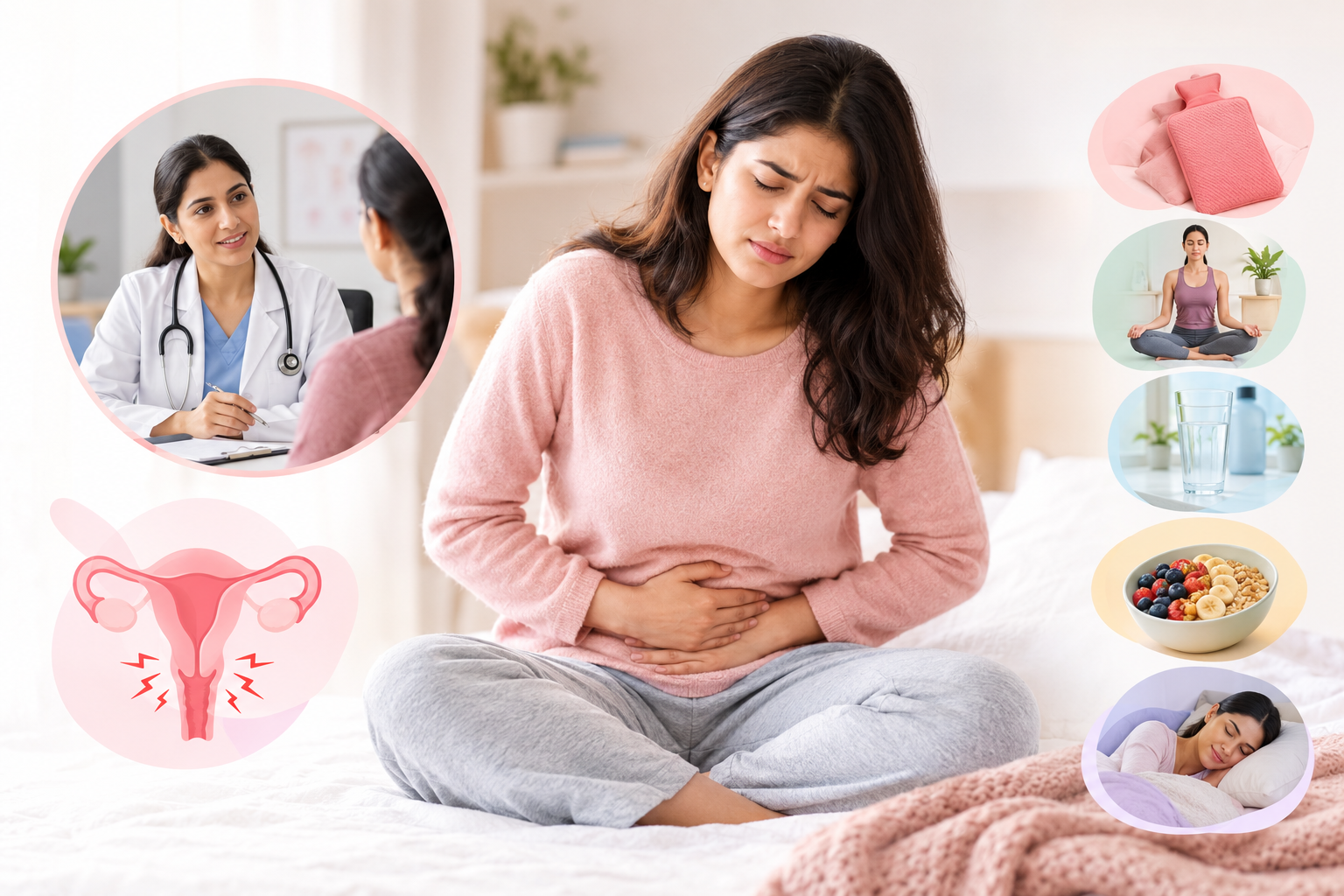
Apply gentle heat: A heating pad or hot-water bottle wrapped in a towel can help relax the muscles and ease cramps. Avoid excessive heat to prevent burns.

Try gentle exercise: Walking, stretching or light yoga may help some women feel more comfortable during menstruation.

Get adequate rest: Poor sleep can make it harder to manage pain. Try to maintain a regular sleeping schedule, particularly during your period.

Stay hydrated: Drinking enough water supports general health and can help you maintain your usual routine during menstruation.

Track your symptoms: Record when the pain starts, how long it lasts, how heavy your bleeding is and whether the symptoms change from month to month.

These measures may provide relief, but they should not replace medical care when the pain is severe or unusual.

When Should You Consult a Gynaecologist?

Many women assume that severe period pain is simply part of having a menstrual cycle. However, pain that repeatedly interferes with daily life deserves medical attention.

Consider consulting a gynaecologist if:

  • Your menstrual cramps are severe or getting worse.
  • Pain prevents you from attending work, school or regular activities.
  • Your periods become unusually heavy or irregular.
  • You experience pelvic pain between periods.
  • You have pain during sexual intercourse or while passing urine or stools.
  • Your usual pain-relief measures no longer help.
  • You develop severe menstrual pain after previously having relatively comfortable periods.

Sudden, severe pelvic pain, particularly when accompanied by fainting, fever, heavy bleeding or a possibility of pregnancy, requires urgent medical assessment.

Seeking timely medical advice can help identify possible causes and determine the most appropriate treatment.

How Can a Gynaecologist Help With Dysmenorrhea?

A consultation for painful periods generally begins with a discussion about your menstrual history and symptoms.

Your gynaecologist may ask when the pain starts, how long it lasts, whether your periods are regular and how the discomfort affects your daily activities.

Depending on your symptoms, the doctor may recommend an examination or an ultrasound to investigate possible underlying conditions.

Not every woman requires the same tests or treatment. The medical approach depends on the symptoms, examination findings and individual health needs.

For women experiencing persistent period pain, professional guidance can help clarify whether the symptoms are consistent with primary dysmenorrhea or whether further investigation is needed.

Women’s Gynaecological Care at Wonder Wombs

Menstrual health is an important part of overall well-being. Persistent period pain can affect physical comfort, emotional well-being, work and everyday responsibilities.

Wonder Wombs focuses on women’s health and fertility care. Women experiencing menstrual discomfort can explore the available gynaecological care options and seek appropriate medical guidance for their concerns.

If you are searching for Dysmenorrhea Treatment in Greater Noida West, discussing your symptoms with a qualified gynaecologist can help you understand the possible causes and available treatment approaches.
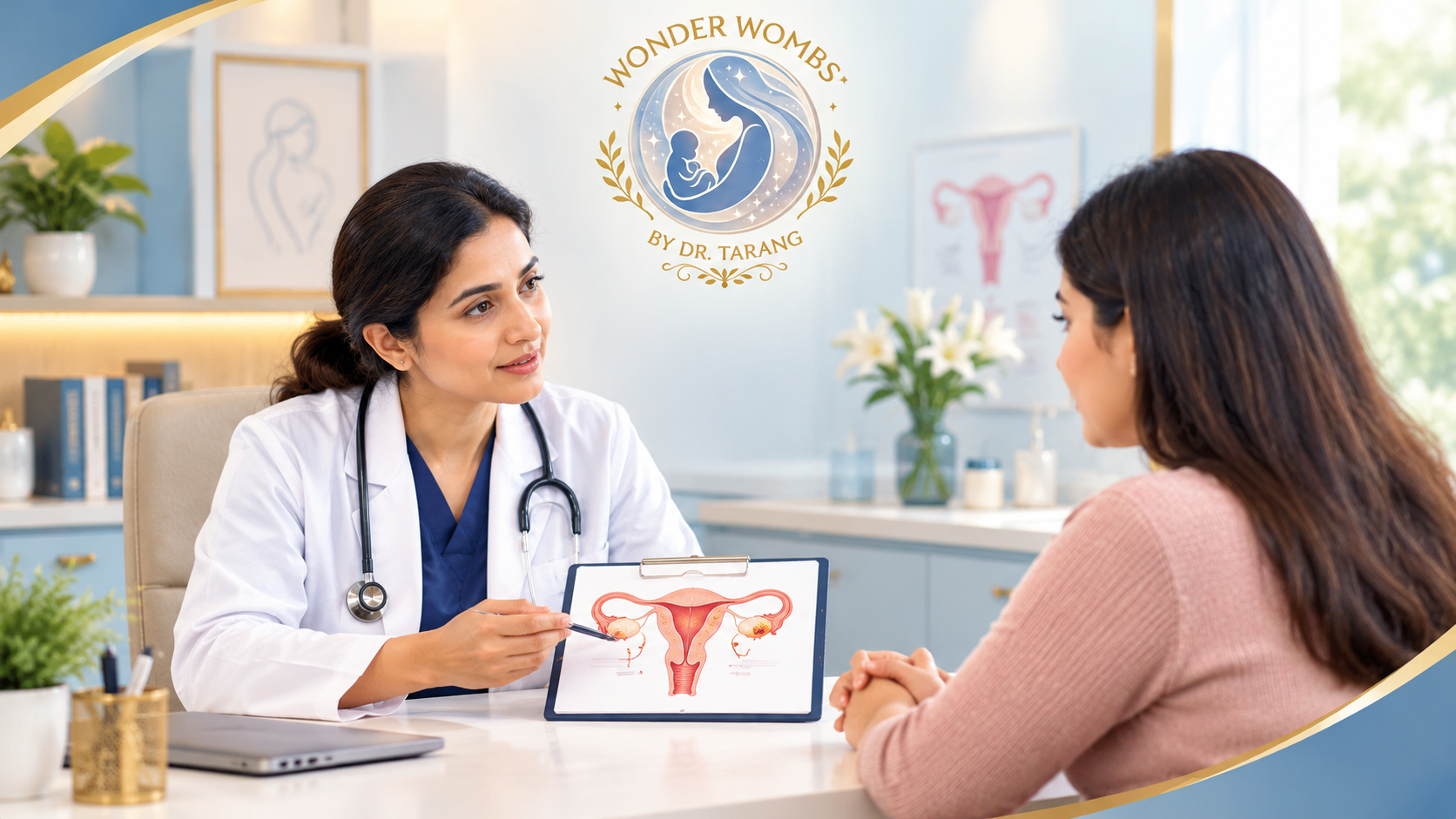
Chronic Pelvic Pain | Causes, Symptoms and Treatment Options

Pelvic pain is a common concern among women, but when the discomfort continues for weeks or keeps returning over several months, it should not be ignored. It may affect daily activities, sleep, exercise, relationships and overall well-being. Understanding the possible causes and recognising the symptoms can help women seek appropriate medical care at the right time.

At Wonder Wombs, women’s health is an important part of comprehensive healthcare. If you are experiencing persistent lower abdominal discomfort, painful periods or pain during daily activities, learning more about chronic pelvic pain can help you take an informed step towards better health.

What Is Chronic Pelvic Pain?

Chronic pelvic pain refers to pain in the lower abdomen or pelvic region that lasts for six months or longer. The pain may be constant, or it may come and go. Some women experience discomfort throughout the month, while others notice that it becomes worse during menstruation, sexual activity or bowel movements.

The pelvis contains several important organs, including the uterus, ovaries, bladder and parts of the digestive system. Problems affecting these organs, as well as the surrounding muscles and nerves, can contribute to ongoing pain.

Chronic pelvic pain does not always have a single cause. In some cases, more than one condition may contribute to the symptoms. A medical assessment can help identify possible causes and guide the next steps.

Common Causes of Pelvic Pain in Women

Understanding the causes of pelvic pain is an important part of finding the right treatment. Although occasional discomfort may be related to menstruation, persistent or recurring pain can sometimes indicate an underlying health condition.

1. Endometriosis

Endometriosis is a condition in which tissue similar to the lining of the uterus grows outside the uterus. It may cause painful periods, lower abdominal discomfort, pain during sexual intercourse and sometimes difficulty conceiving.

Women with endometriosis may experience pelvic pain that gradually becomes more noticeable or continues beyond their menstrual period. A gynaecologist can assess the symptoms and discuss appropriate management options.

2. Pelvic Inflammatory Disease (PID)

Pelvic inflammatory disease is an infection affecting the female reproductive organs. It can involve the uterus, fallopian tubes and surrounding tissues. Symptoms may include lower abdominal pain, unusual vaginal discharge, fever or discomfort during sex.

Some women have mild symptoms, so medical assessment is important when an infection is suspected. Early diagnosis and appropriate treatment can help reduce the risk of complications.

3. Uterine Fibroids

Uterine fibroids are generally non-cancerous growths that develop in or around the uterus. Depending on their size and location, they may cause pelvic pressure, heavy menstrual bleeding, lower back pain or a feeling of fullness in the abdomen.

Not every fibroid causes symptoms. When discomfort or bleeding affects daily life, a gynaecologist can evaluate the condition and explain suitable treatment options.

4. Ovarian Cysts

Ovarian cysts are fluid-filled sacs that develop in or on an ovary. Many are harmless and resolve without treatment, but some can cause pelvic discomfort, bloating or a feeling of heaviness.

Sudden, severe pelvic pain may indicate a complication, such as a ruptured cyst or ovarian torsion, and requires urgent medical attention.

5. Painful Periods and Adenomyosis

Menstrual cramps are common, but severe pain that interferes with everyday activities deserves attention. Adenomyosis occurs when tissue similar to the uterine lining grows into the muscular wall of the uterus.

It can cause painful periods, heavy bleeding and persistent pelvic discomfort. If period pain is becoming more severe over time, consulting a gynaecologist can help determine whether further evaluation is needed.

6. Urinary Tract and Digestive Problems

Pelvic pain does not always originate in the reproductive organs. Urinary tract infections, painful bladder syndrome, constipation and irritable bowel syndrome can also cause discomfort in the lower abdomen.

Symptoms such as frequent urination, burning during urination, bloating or changes in bowel habits may help a doctor identify the possible source of the problem.

7. Pelvic Floor Muscle Problems

The pelvic floor muscles support the bladder, bowel and reproductive organs. When these muscles become tense, irritated or fail to relax properly, they may contribute to ongoing pelvic pain.

Some women experience discomfort while sitting for long periods, exercising or having sexual intercourse. Depending on the cause, treatment may include specialised pelvic floor physiotherapy.

Pelvic Pain Symptoms You Should Recognise

The pelvic pain symptoms experienced by women can vary depending on the underlying cause. Some women describe a mild, dull ache, while others experience sharp, cramping or burning sensations.

Common symptoms include:

  • Persistent or recurring pain in the lower abdomen.
  • Pain or pressure in the pelvic region.
  • Menstrual cramps that interfere with normal activities.
  • Pain during or after sexual intercourse.
  • Discomfort during urination or bowel movements.
  • Lower back pain or a feeling of heaviness.
  • Abdominal bloating or changes in bowel habits.
  • Frequent or urgent urination.
  • Unusually heavy menstrual bleeding or irregular periods.

These symptoms do not necessarily mean that a serious condition is present. However, if they persist, worsen or interfere with your routine, it is important to seek medical advice rather than relying on self-diagnosis.

When Should You Consult a Gynaecologist?

Many women become accustomed to menstrual discomfort or recurring abdominal pain and delay seeking help. However, persistent pain should not automatically be considered a normal part of the menstrual cycle.

Consider arranging a medical consultation if:

  • Pelvic pain keeps returning or does not improve.
  • Period pain is becoming more severe.
  • You experience pain during sexual intercourse.
  • Your periods become unusually heavy or irregular.
  • You notice unusual vaginal discharge or bleeding.
  • Pelvic discomfort is affecting your sleep, work or daily activities.

Seek emergency medical care if you develop sudden, severe or worsening pelvic pain, particularly with fainting, dizziness, heavy vaginal bleeding, fever or vomiting. If you are pregnant or could be pregnant and experience pelvic pain, seek prompt medical assessment because some causes require urgent treatment.

How Is Chronic Pelvic Pain Diagnosed?

Identifying the cause of chronic pelvic pain may require more than one assessment. Your doctor will usually begin by discussing your symptoms, menstrual history, previous medical conditions and the pattern of your pain.

Depending on your symptoms, the evaluation may include:

Medical history and examination: Your doctor may ask when the pain started, where it occurs, how severe it is and whether it changes during your menstrual cycle.

Pelvic examination: When appropriate and with your consent, an examination may help identify tenderness or other signs that require further investigation.

Ultrasound: Pelvic ultrasound may help assess the uterus, ovaries, fibroids and ovarian cysts.

Laboratory tests: Urine, blood or infection-related tests may be recommended based on your symptoms and medical history.

Further investigations: In selected cases, additional tests or referral to another specialist may be necessary.

The tests recommended will depend on your individual situation. Not every patient requires every investigation.

Treatment Options for Chronic Pelvic Pain

There is no single treatment that works for every case of chronic pelvic pain. The most suitable approach depends on the cause, the severity of symptoms, your medical history and your future pregnancy plans.

Treatment options may include:

  • Medication: Medicines may be prescribed to manage pain, menstrual symptoms or an identified infection.
  • Hormonal treatment: For certain conditions, such as endometriosis or painful periods, hormonal treatment may help control symptoms.
  • Treatment for the underlying condition: Fibroids, ovarian cysts, urinary problems and digestive conditions may require different approaches.
  • Pelvic floor physiotherapy: Specialised exercises and physical therapy may help when pelvic muscle dysfunction contributes to pain.
  • Surgery: Selected conditions may require a procedure when other treatments are unsuitable or ineffective.

Lifestyle measures such as regular gentle physical activity, adequate sleep and keeping a symptom diary may also support your overall care. However, these measures should complement medical assessment rather than replace it.

Never start antibiotics, hormonal medicines or long-term pain medication without appropriate medical advice.

How Can You Manage Pelvic Pain in Everyday Life?

Living with recurring pain can be frustrating, especially when the cause is not immediately clear. A few practical steps may help you communicate your symptoms more effectively and support your treatment plan.

Keep a record of when the pain occurs, how long it lasts and whether it relates to your period, urination, bowel movements or physical activity. Note any associated symptoms, such as bloating or unusual bleeding.

Maintain a balanced diet, drink enough water and aim for regular sleep. Gentle movement may be helpful if it does not worsen your discomfort. If a particular activity triggers pain, discuss it with your healthcare professional.

Most importantly, do not dismiss ongoing symptoms simply because they are manageable on some days. Early assessment can help clarify the cause and identify suitable care.

Chronic Pelvic Pain Care at Wonder Wombs

Women experiencing ongoing pelvic discomfort may need individualised assessment to understand whether the symptoms are related to menstruation, endometriosis, fibroids, ovarian conditions or another health concern.

Wonder Wombs provides women’s healthcare services, including gynaecological care, to support patients in understanding their symptoms and discussing appropriate next steps. If you are concerned about persistent pelvic pain, consider scheduling a consultation with a qualified gynaecologist.

You can visit Wonder Wombs to learn more about the clinic and its women’s healthcare services.

Endometriosis Treatment in Greater Noida West

If you are looking for Endometriosis Treatment in Greater Noida West, understanding the condition and knowing when to seek medical advice is an important first step. At Wonder Wombs, women can seek guidance for gynaecological concerns, menstrual problems, and fertility-related questions.

What Is Endometriosis?

Endometriosis is a condition in which tissue similar to the lining of the uterus grows outside the uterus. It may develop around the ovaries, fallopian tubes, and other areas within the pelvis. This tissue can respond to hormonal changes during the menstrual cycle, leading to inflammation, pain, and sometimes scar tissue or adhesions.

The symptoms can vary from one woman to another. Some women experience severe discomfort, while others may have mild symptoms or no noticeable symptoms at all.

Early medical evaluation can help identify the possible cause of symptoms and guide appropriate treatment.

Common Symptoms of Endometriosis

Recognising the symptoms of endometriosis can help women seek care before the condition significantly affects their daily lives.

Common symptoms include:

  • Painful periods: Menstrual cramps that are severe, worsen over time, or interfere with normal activities.
  • Chronic pelvic pain: Pain in the lower abdomen or pelvis that may occur outside the menstrual period.
  • Pain during intercourse: Discomfort or pain during or after sexual activity.
  • Heavy or irregular bleeding: Periods that are unusually heavy or bleeding between periods.
  • Bowel or bladder discomfort: Pain during bowel movements or urination, particularly around menstruation.
  • Difficulty conceiving: Some women with endometriosis experience fertility challenges.

These symptoms can also occur with other gynaecological conditions. A qualified gynaecologist can help determine the likely cause.

What Causes Endometriosis?

The exact cause of endometriosis is not fully understood. Researchers believe that several factors may contribute to its development, including hormonal influences, immune system factors, genetic susceptibility, and the way endometrial-like tissue develops or spreads.

Having a close family member with endometriosis may increase the likelihood of developing the condition. However, it can affect women with or without a family history.

Endometriosis is not caused by poor personal hygiene, and women should not blame themselves for developing it.

How Is Endometriosis Diagnosed?

An accurate diagnosis is important because pelvic pain can have several causes. During a consultation, a gynaecologist may review your symptoms, menstrual history, medical background, and any fertility concerns.

Depending on the situation, the evaluation may include:

1. Medical history and examination

Your doctor may ask when the pain occurs, how severe it is, and whether it affects your daily activities. A pelvic examination may be recommended when appropriate.

2. Ultrasound

A pelvic or transvaginal ultrasound may help identify ovarian endometriomas and certain other abnormalities. However, a normal ultrasound does not rule out all forms of endometriosis.

3. Additional investigations

An MRI may be useful in selected cases, particularly when deeper endometriosis is suspected. Laparoscopy, a type of keyhole surgery, may be considered when the diagnosis remains uncertain or surgical treatment is appropriate.

The right diagnostic approach depends on your symptoms and clinical assessment.

Endometriosis Treatment in Greater Noida: Available Options

Treatment depends on the severity of symptoms, the location of the condition, your age, medical history, and whether you are planning a pregnancy.

1. Pain Management

Pain-relieving medicines may help manage menstrual cramps and pelvic discomfort. Your doctor can advise which medicines are suitable for you, considering your medical history and any plans for pregnancy.

2. Hormonal Treatment

Hormonal medicines may help reduce pain and suppress the activity of endometriosis-related tissue. Options can include certain hormonal contraceptives or progestogen-based treatments. Other medicines may be considered in selected cases.

These treatments do not suit everyone and generally do not remove the condition permanently. Hormonal treatment is also not appropriate while actively trying to conceive, so fertility plans should be discussed before starting treatment.

3. Surgical Treatment

Surgery may be recommended when symptoms are severe, medicines have not provided adequate relief, or particular complications are present. Laparoscopic surgery can remove or treat endometriosis lesions and adhesions in suitable cases.

The benefits and potential risks should be discussed carefully, especially when the ovaries are involved and future fertility is important.

4. Supportive Lifestyle Measures

Lifestyle changes cannot cure endometriosis, but some women find that supportive habits improve their comfort and general well-being.

These may include regular physical activity as tolerated, adequate sleep, a balanced diet, stress management, and tracking symptoms throughout the menstrual cycle. Persistent pain should still be assessed by a medical professional rather than managed through lifestyle changes alone.

Endometriosis and Female Fertility

Endometriosis may affect fertility in some women, although many women with the condition conceive naturally. Its effect on fertility depends on factors such as the extent of the disease, ovarian function, fallopian tube health, and the age and reproductive health of both partners.

If you have endometriosis and are planning a pregnancy, a fertility assessment can help clarify your options. Depending on your circumstances, your doctor may discuss expectant management, surgery in selected cases, intrauterine insemination (IUI), or in vitro fertilisation (IVF).

Surgery involving the ovaries may sometimes affect ovarian reserve, so the potential benefits and risks should be considered before proceeding. Fertility treatment should be individualised rather than based on the diagnosis alone.

Choosing an Endometriosis Treatment Clinic in Greater Noida West

When looking for an Endometriosis Treatment clinic in Greater Noida West, consider a centre where your symptoms are taken seriously and your treatment plan is explained clearly.

Useful factors to consider include:

  • Access to a qualified gynaecologist for assessment and follow-up.
  • Appropriate investigations based on your symptoms.
  • Clear explanations of medication, surgical, and fertility-related options.
  • Consideration of your pregnancy plans and personal preferences.
  • Guidance on when specialist referral or additional care may be necessary.

At Wonder Wombs, women can seek consultation for menstrual concerns, pelvic pain, and reproductive health questions. Discuss your symptoms with the clinical team to understand which investigations or treatments may be appropriate for you.

When Should You Consult a Gynaecologist?

Do not ignore period pain that repeatedly affects work, studies, sleep, or everyday activities. You should also seek an assessment if you experience persistent pelvic pain, pain during intercourse, unusually heavy periods, or difficulty conceiving.

Seek urgent medical attention if you experience sudden, severe pelvic pain, particularly with fainting, fever, vomiting, or the possibility of pregnancy.

Early assessment can help identify the cause of symptoms and prevent delays in receiving appropriate care.

Get Guidance for Endometriosis at Wonder Wombs

Living with persistent pelvic pain can be physically and emotionally exhausting. The right approach starts with understanding your symptoms, getting an appropriate assessment, and discussing treatment options that suit your health and reproductive goals.

If you are searching for Endometriosis Treatment in Greater Noida West or Endometriosis Treatment in Greater Noida, Wonder Wombs can be a starting point for discussing your gynaecological concerns and understanding the next steps in care.

Fertility Clinic in Delhi and Fertility Tests for Women

Trying to conceive can be an emotional journey. For some couples, pregnancy happens sooner than expected, while others may spend months wondering why it has not happened yet. During this time, questions about fertility, medical tests and the right doctor can create a lot of confusion.

The first step is not to worry about every possible problem or assume that IVF is the only solution. It is to understand your reproductive health and find out whether anything needs medical attention.

If you are searching for a fertility hospital or a trusted fertility clinic in Delhi, knowing what to expect from a fertility consultation can help you make a more informed decision. For women, the right fertility test for women can help doctors investigate menstrual irregularities, ovulation problems and other factors that may affect pregnancy.

At Wonder Wombs, women can explore gynaecological and fertility-related healthcare in Greater Noida West and seek guidance about the next steps for their reproductive health.

When Should You Consult a Fertility Specialist?

Many couples wait for a long time before discussing fertility concerns with a doctor. Sometimes, this happens because they believe difficulty conceiving will resolve on its own. In other cases, they are unsure when medical advice is necessary.

Generally, women under 35 should consider a fertility evaluation after 12 months of regular, unprotected intercourse without pregnancy. Women aged 35 or older are generally advised to seek evaluation after six months. If a woman is over 40, has irregular or absent periods, or has a known reproductive health condition, an earlier consultation may be appropriate.

A fertility consultation can also be helpful if you have a history of PCOS, endometriosis, pelvic infections or previous reproductive health problems.

Remember, difficulty conceiving is not always caused by a problem in the woman. Male fertility factors can also contribute, which is why doctors may recommend evaluating both partners.

What Should You Look for in a Fertility Hospital?

Choosing a fertility hospital involves more than comparing advertisements or treatment packages. You need a place where your concerns are taken seriously and medical recommendations are explained clearly.

Before selecting a centre, consider the following:

Qualified medical professionals: Check the doctor’s qualifications and experience in gynaecology or reproductive medicine.

Appropriate fertility investigations: The centre should help you understand which tests are relevant to your symptoms and medical history.

Clear treatment advice: Ask why a particular treatment is being recommended, what alternatives are available and what limitations it may have.

Transparent costs: Fertility investigations and treatments can involve several appointments. Understanding the expected expenses beforehand can help with planning.

Comfortable communication: Fertility concerns can be personal. It is important to feel comfortable asking questions and discussing your worries without feeling rushed.

The right choice is one that suits your medical needs and gives you a clear understanding of your options.

Fertility Clinic in Delhi: What Services May Be Available?

People searching for a fertility clinic in Delhi may find different types of fertility centres and reproductive healthcare facilities. Their services can vary, so it is important to confirm which investigations and treatments are actually offered.

Depending on the centre, fertility care may include an initial consultation, menstrual cycle assessment, hormone testing, ultrasound examinations and evaluation of the uterus and fallopian tubes.

If initial investigations suggest a specific concern, the doctor may discuss treatment options such as medication to support ovulation, intrauterine insemination (IUI) or in vitro fertilisation (IVF).

Not every couple needs advanced fertility treatment. Sometimes, identifying an ovulation problem or addressing an underlying medical condition may be an important first step.

For patients living in Greater Noida West, consulting a nearby gynaecology or fertility care provider may also make appointments and follow-up visits more convenient.

Fertility Test for Women: Which Tests Might You Need?

There is no single test that can explain every fertility concern. A fertility test for women usually involves a combination of assessments selected according to age, symptoms, menstrual history and how long pregnancy has been attempted.

1. Hormone Testing

Hormones help regulate the menstrual cycle and ovulation. Depending on your symptoms, your doctor may recommend tests for AMH, FSH, thyroid function or prolactin.

AMH can help assess ovarian reserve, while thyroid and prolactin tests may identify hormonal issues that affect menstrual regularity or ovulation.

These tests are not necessary for every woman, and the results should always be interpreted in context.

2. Pelvic Ultrasound

An ultrasound allows the doctor to examine the uterus and ovaries. It may help identify ovarian cysts, fibroids or certain structural abnormalities.

It can also help assess antral follicles, which provide additional information about ovarian reserve.

3. Ovulation Assessment

Regular menstrual cycles can provide useful clues about ovulation, although they do not confirm every aspect of fertility.

If your periods are irregular or you suspect that you are not ovulating regularly, your doctor may recommend cycle tracking, blood tests or ultrasound monitoring.

Conditions such as PCOS can affect ovulation and may require specific management.

4. Fallopian Tube Testing

The fallopian tubes help sperm and egg meet during natural conception. If a doctor suspects blocked tubes, a test such as hysterosalpingography (HSG) may be recommended.

The need for this test depends on your medical history and the fertility assessment.

5. Uterine Evaluation

The condition of the uterus can also matter when investigating difficulty conceiving. Depending on symptoms and previous findings, your doctor may recommend further evaluation for fibroids, polyps or other abnormalities.

You may not need all these tests. A good evaluation begins with your medical history and a discussion of your concerns.

Can Fertility Problems Be Treated?

Treatment depends on the cause, the age of the patient, the results of investigations and the couple’s preferences.

For some women, medication may help manage ovulation problems. Others may need treatment for an underlying condition or further assessment of the reproductive organs.

IUI may be suitable in selected circumstances, while IVF may be recommended for certain fertility factors or when other approaches are unlikely to be effective.

It is important to understand that no treatment guarantees pregnancy. For example, ovarian reserve tests can provide useful information, but they cannot independently predict whether a woman will conceive naturally.

Your doctor should explain the expected benefits, limitations, risks and costs of any proposed treatment.

Simple Steps to Support Reproductive Health

Medical evaluation is important, but everyday habits can also support general health while planning a pregnancy.

  • Eat a balanced diet that includes a variety of nutritious foods.
  • Maintain regular physical activity that suits your health and fitness level.
  • Avoid smoking and seek advice about alcohol when trying to conceive.
  • Discuss medicines, supplements and folic acid with your healthcare professional.
  • Seek medical advice for persistent menstrual irregularities or unusual symptoms.
  • Remember that fertility concerns can affect both partners, so assessment may be needed for both.

These steps cannot resolve every fertility problem, but they can form part of a sensible approach to preconception health.

Start Your Fertility Journey with the Right Guidance

Searching for a fertility hospital or a fertility clinic in Delhi can be the beginning of finding answers, but the most important step is receiving advice that fits your individual situation.

If you are experiencing difficulty conceiving, irregular periods or concerns about your reproductive health, a consultation can help you understand which fertility tests may be appropriate and whether further treatment is necessary.

Wonder Wombs, located in Greater Noida West, provides women’s healthcare and gynaecological care. Women exploring fertility-related concerns can enquire about the services available and discuss their needs with a qualified medical professional.

How a Gynecologist Can Help You Maintain Better Women’s Health

A gynecologist plays an important role in women’s healthcare by helping identify reproductive health concerns, providing medical guidance and recommending suitable treatment when necessary. Whether you have a specific concern or simply want to understand your body better, consulting a qualified specialist can be a positive step towards better health.

What Is Gynecology and Why Is It Important?

Many women have questions about their reproductive health but may not always know which specialist to consult. Understanding what is gynecology can help you make informed decisions about your healthcare.

Gynecology is a branch of medicine that focuses on the female reproductive system, including the uterus, ovaries, fallopian tubes, cervix and vagina. It covers a wide range of concerns, such as menstrual problems, reproductive infections, hormonal changes and menopause.

Gynecological care is not only about treating illnesses. It also helps women understand changes in their bodies, discuss preventive healthcare and receive advice based on their individual needs.

Regular consultations can be useful for addressing concerns early and understanding which health checks or screenings may be appropriate for your age and medical history.

When Should You Consult a Gynecologist?

Many women ignore discomfort or wait for symptoms to disappear on their own. While some changes may be temporary, persistent or unusual symptoms should not be overlooked.

You may want to consult a gynecologist if you experience:

  • Irregular periods or unexpected changes in your menstrual cycle
  • Severe menstrual cramps or unusually heavy bleeding
  • Persistent pelvic pain or lower abdominal discomfort
  • Unusual vaginal discharge, itching or irritation
  • Difficulty conceiving or questions about pregnancy planning
  • Symptoms associated with hormonal changes or menopause

A gynecologist can review your symptoms, understand your medical history and recommend further tests or treatment if required. If you experience severe pain or heavy bleeding accompanied by dizziness or fainting, seek urgent medical attention.

You can also schedule a consultation to discuss preventive care, menstrual health and other questions you may have about your reproductive system.

How to Find a Female Gynecologist Near Me

Choosing a doctor is a personal decision, particularly when discussing sensitive health concerns. If you search online for a female gynecologist near me, you will want to find someone who is qualified, experienced and attentive to your needs.

Here are a few things to consider before booking an appointment.

Check qualifications and experience. Look for a registered medical professional with appropriate qualifications and experience relevant to your health concerns.

Consider your comfort level. Some women feel more comfortable discussing intimate health issues with a female doctor. Choose a specialist who respects your concerns and allows you to ask questions openly.

Review the available services. Check whether the clinic provides the type of care you need, such as menstrual health consultations, fertility guidance or menopause-related support.

Look at the clinic’s location. A conveniently located clinic can make attending appointments and follow-up consultations easier.

Read patient reviews carefully. Feedback can offer insight into communication and the patient experience. However, reviews should not replace checking a doctor’s qualifications and professional experience.

Taking time to choose the right specialist can help you feel more comfortable and confident about discussing your health.

Common Health Concerns a Gynecologist Can Help With

Women’s reproductive health can change over time, and different concerns may require different approaches. A gynecologist can help assess symptoms and explain the available options.

Menstrual Problems

Irregular periods, painful cramps and heavy bleeding can sometimes be associated with hormonal changes or underlying medical conditions. A gynecologist can assess these symptoms and determine whether further investigation is necessary.

Hormonal Changes

Hormonal changes can affect menstrual cycles, skin, sleep and overall well-being. If you notice persistent changes, a medical consultation can help identify possible causes and suitable next steps.

Fertility and Pregnancy Planning

Women planning a pregnancy may have questions about menstrual cycles, ovulation and reproductive health. A gynecologist can provide guidance based on individual circumstances and recommend further evaluation when appropriate.

Vaginal and Reproductive Health

Unusual discharge, itching, irritation or discomfort may have several causes. Rather than self-diagnosing, it is better to seek medical advice when symptoms persist or cause concern.

Menopause and Age-Related Changes

Menopause can bring changes such as hot flashes, sleep difficulties and irregular periods. A gynecologist can explain what to expect and discuss appropriate ways to manage symptoms.

Why Regular Women’s Health Check-Ups Matter

Taking care of your health should not begin only when something feels wrong. Preventive healthcare gives you an opportunity to discuss concerns, understand your risk factors and learn which screenings may be suitable for you.

During a consultation, you can ask questions about menstrual health, contraception, reproductive hygiene and changes associated with different stages of life.

The need for specific examinations and screenings varies from person to person. Your age, symptoms, medical history and family history can all influence your healthcare plan.

Keeping track of menstrual changes, sharing accurate information with your doctor and following recommended medical advice can help you take a more informed approach to your well-being.

How to Prepare for Your Gynecologist Appointment

If you feel nervous about visiting a gynecologist, preparing a few details beforehand can make the consultation easier.

Write down your symptoms, when they started and whether anything makes them better or worse. If you have menstrual concerns, noting the dates of your recent periods may also be helpful.

Bring relevant medical reports and a list of medicines you currently take. You can also prepare questions about your symptoms, recommended tests, treatment options or preventive care.

Remember that you can ask your doctor to explain any examination or procedure before it takes place. Understanding what to expect can help you feel more comfortable throughout the appointment.

Women’s Healthcare at Wonder Wombs

Finding reliable information and appropriate medical guidance is an important part of maintaining women’s health. Every woman’s needs are different, which is why healthcare decisions should be based on individual concerns rather than general advice alone.

Wonder Wombs focuses on women’s health and fertility care. If you are looking for information about its services, visit the official Wonder Wombs website to explore the available care options and determine whether they match your needs.

Whether you have questions about menstrual health, reproductive concerns or fertility, speaking with a qualified healthcare professional can help you understand your options and decide on the next steps.

Best Gynecologist in Noida | Gynecologist Clinic

If you are searching for the Best Gynecologist in Noida, it is important to look beyond convenience and consider the doctor’s qualifications, experience, communication style and approach to patient care.

A gynecologist helps women manage reproductive health concerns, identify potential problems early and maintain their overall health. At Wonder Wombs Women’s Health & Fertility Care, the focus is on providing personalized guidance and compassionate care for women’s health needs.

Why Choosing the Right Gynecologist Matters

Many women experience health concerns that can feel uncomfortable to discuss. Irregular periods, pelvic discomfort, hormonal changes and fertility-related questions are common reasons to consult a gynecologist. Having a doctor who listens carefully and explains medical information clearly can make these consultations more comfortable.

A qualified gynecologist can help with routine examinations, menstrual health, pregnancy-related care, family planning and other reproductive health concerns. Regular consultations may also help identify certain conditions before they become more complicated.

When looking for the Best Gynecologist in Noida, consider the doctor’s medical qualifications, relevant clinical experience, available services and willingness to answer your questions.

Services Offered by a Gynecologist

Gynecology covers several aspects of women’s health. The right consultation depends on your symptoms, medical history and stage of life.

1. Menstrual Problems and Irregular Periods

Changes in menstrual cycles can occur for several reasons, including stress, hormonal changes, thyroid disorders and certain reproductive health conditions. However, persistent irregular periods, unusually heavy bleeding or severe menstrual pain should not be ignored.

A gynecologist can assess your symptoms, recommend appropriate investigations when necessary and discuss suitable treatment options based on the underlying cause.

2. PCOS and PCOD Management

Polycystic ovary syndrome (PCOS) is a hormonal condition that may affect menstrual cycles, skin, hair growth and fertility. Some women also experience changes in weight or insulin sensitivity.

Early assessment can help women understand their symptoms and develop a management plan. Depending on individual needs, this may involve lifestyle changes, medical treatment and follow-up consultations.

If you are looking for PCOS treatment in Noida, choose a qualified healthcare professional who can evaluate your symptoms and recommend an individualized approach.

3. Pregnancy Care and Antenatal Consultations

Pregnancy brings physical and emotional changes, and regular antenatal appointments are an important part of prenatal care. These visits allow the doctor to monitor the mother’s health, assess the progress of pregnancy and provide guidance on nutrition, routine tests and warning signs.

Women planning a pregnancy may also benefit from a preconception consultation. This can help identify existing health concerns, review medications and discuss steps that support a healthy pregnancy.

For women seeking pregnancy care in Noida, choosing a provider who offers clear communication and appropriate monitoring can help make the journey more informed and reassuring.

4. Fertility and Infertility Consultation

Trying to conceive can sometimes take longer than expected. Fertility concerns may involve female reproductive health, male reproductive health or a combination of factors.

A fertility consultation can help identify possible causes and determine whether further investigations or specialist care are appropriate. Both partners may need evaluation, depending on their medical history and circumstances.

Women looking for an infertility specialist in Noida should seek evidence-based guidance and understand that fertility treatment varies according to individual findings. No single treatment guarantees pregnancy, but a proper evaluation can help clarify the available options.

5. Preventive Women’s Health Checkups

Preventive healthcare is an important part of long-term well-being. Depending on age, symptoms, personal history and risk factors, a gynecologist may recommend cervical cancer screening, breast health assessment, vaccination or other appropriate tests.

Routine appointments are also an opportunity to discuss contraception, menstrual changes, sexual health and concerns that may otherwise go unaddressed.

The frequency and type of screening should be decided with a healthcare professional rather than following the same schedule for every woman.

When Should You Visit a Gynecologist?

You do not need to wait until a health problem becomes severe before seeking medical advice. Consider booking a consultation if you experience:

  • Persistent irregular periods or unusually heavy menstrual bleeding.
  • Severe period pain or recurring pelvic discomfort.
  • Unusual vaginal discharge, itching or irritation.
  • Bleeding between periods or after menopause.
  • Concerns about PCOS, hormonal changes or fertility.
  • Questions about contraception or pregnancy planning.
  • Symptoms associated with menopause that affect daily life.

Sudden severe pelvic pain, heavy bleeding accompanied by dizziness, or pain or bleeding during a possible pregnancy may require urgent medical assessment. Seek emergency care if symptoms are severe.

How to Choose the Best Gynecologist in Noida

Finding a suitable gynecologist involves more than choosing the first name that appears in search results. Consider these practical factors before booking an appointment.

Check qualifications and experience: Look for appropriate medical qualifications and experience relevant to your concern, whether it involves pregnancy, menstrual health or fertility.

Review the services available: Confirm that the clinic can assess your particular concern and refer you to additional specialists when needed.

Look for clear communication: A good consultation should give you an opportunity to explain your symptoms, ask questions and understand the recommended next steps.

Consider accessibility: Clinic location, appointment availability and follow-up arrangements may be important, particularly during pregnancy or ongoing treatment.

Read patient feedback carefully: Reviews can offer insight into other patients’ experiences, but they should be considered alongside professional qualifications and the suitability of the doctor’s services.

Prioritize evidence-based care: Medical recommendations should be based on your individual condition, appropriate clinical assessment and established medical guidance.

Women’s Healthcare at Wonder Wombs

Wonder Wombs Women’s Health & Fertility Care is located in Greater Noida West and provides women’s healthcare services, including gynecology, pregnancy care, PCOS management and fertility consultations. The clinic’s listed specialist is Dr. Tarang Yadav, an obstetrician and gynecologist.

IVF Centre in Greater Noida West | Understanding Your Fertility Treatment Options at Wonder Wombs

If you are searching for an IVF Centre in Greater Noida West or an IVF Clinic in Greater Noida, understanding the available fertility treatments is a good place to start. At Wonder Wombs, the focus is on women’s health, fertility consultations, proper evaluation and personalised medical guidance for individuals and couples planning a pregnancy.

What Is IVF Treatment?

IVF stands for In Vitro Fertilisation. It is an assisted reproductive technology in which eggs and sperm are brought together in a laboratory to help fertilisation occur. If an embryo develops, it may be transferred into the uterus in an attempt to achieve pregnancy.

IVF may be recommended when certain fertility problems make natural conception difficult or when other treatments have not been successful. However, IVF is not necessary for every couple experiencing difficulty conceiving. The appropriate treatment depends on the underlying cause, age, medical history and fertility test results.

A consultation with a qualified fertility specialist can help you understand whether IVF or another treatment may be suitable for you.

When Should You Consider an IVF Clinic in Greater Noida?

Many couples wait before seeking professional advice because they hope pregnancy will happen naturally. While this is understandable, an early fertility evaluation can help identify potential concerns and prevent unnecessary delays.

You may consider consulting a fertility specialist if:

  • You have been trying to conceive for 12 months without success.
  • You are 35 or older and have been trying for six months without becoming pregnant.
  • Your menstrual cycles are irregular or ovulation is difficult to predict.
  • You have been diagnosed with PCOS, endometriosis or blocked fallopian tubes.
  • A semen analysis has identified possible male fertility concerns.
  • You have experienced repeated pregnancy loss or previous fertility treatment has not worked.

If you are over 40 or already know that you have a fertility-related medical condition, seeking advice earlier may be appropriate.

Remember that infertility can affect either partner or both. Evaluating both partners helps the doctor recommend a more informed treatment plan.

Common Causes of Infertility in Women and Men

Understanding the possible causes of infertility is an important part of choosing the right treatment.

Female infertility

Several conditions can affect a woman’s ability to conceive, including:

PCOS and ovulation disorders: Polycystic ovary syndrome can interfere with regular ovulation, making it harder to predict the fertile window.

Blocked or damaged fallopian tubes: When the tubes are blocked or damaged, the egg and sperm may not meet easily.

Endometriosis: This condition can affect reproductive organs and may contribute to difficulties conceiving.

Age-related fertility changes: Egg quantity and quality generally decline with age, which can affect the chances of pregnancy.

Uterine conditions: Certain fibroids, polyps or structural abnormalities may interfere with implantation or pregnancy.

Male infertility

Male fertility factors can include low sperm count, reduced sperm movement, abnormal sperm shape, hormonal concerns or blockages affecting sperm transport.

A semen analysis and other investigations, when indicated, can help identify the underlying issue. Fertility treatment should be based on the findings rather than assumptions about which partner may be responsible.

How Does the IVF Process Work?

The IVF process usually involves several stages. Your doctor will explain the expected timeline and tailor the approach to your medical needs.

1. Initial consultation and fertility tests

The first step is to review both partners’ medical histories and any previous investigations. Depending on your situation, tests may include hormone assessments, ultrasound scans, evaluation of the fallopian tubes and semen analysis.

These investigations help the specialist understand the likely cause of fertility difficulties and decide whether IVF is appropriate.

2. Ovarian stimulation

If IVF is recommended, medication may be prescribed to encourage the ovaries to develop multiple eggs. Ultrasound scans and, when needed, blood tests help monitor the response.

3. Egg retrieval

When the eggs are ready, they are collected through a medical procedure performed under appropriate pain relief or sedation.

4. Fertilisation in the laboratory

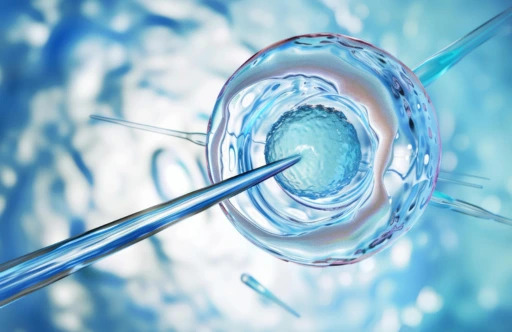
The collected eggs are fertilised using sperm in a laboratory. In selected cases, a procedure called ICSI may be recommended, in which an individual sperm is injected directly into an egg.

5. Embryo transfer

If an embryo develops appropriately, the specialist may recommend transferring it into the uterus. Suitable additional embryos may sometimes be frozen for future use.

6. Pregnancy testing

A pregnancy test is performed at the time recommended by the treating team. Your doctor will explain the result and discuss the next steps.

The exact process and duration can vary from one patient to another. IVF does not guarantee pregnancy, and outcomes depend on several individual factors.

IVF, IUI and ICSI: What Is the Difference?

Not every fertility concern requires the same procedure. Understanding the main options can help you have a more productive consultation.

IVF: Eggs and sperm are brought together in a laboratory, and a resulting embryo may be transferred into the uterus.

IUI: Prepared sperm is placed inside the uterus around the time of ovulation. It may be considered in selected cases where the fallopian tubes are open and other clinical factors are suitable.

ICSI: A specialised fertilisation technique in which one sperm is injected directly into an egg. It is commonly considered for certain male-factor fertility problems or specific fertilisation concerns.

Your doctor will recommend a treatment based on your test results, reproductive history and individual circumstances. More advanced treatment is not automatically the best option for everyone.

What Should You Look for in an IVF Centre in Greater Noida West?

Choosing a fertility clinic is an important decision. Along with location, consider the quality of medical advice, communication and the clarity of the proposed treatment plan.

Look for a centre that:

  • Provides a detailed fertility evaluation before recommending treatment.
  • Explains available options, expected benefits, risks and limitations.
  • Discusses treatment costs clearly, including possible additional expenses.
  • Evaluates male and female fertility factors when appropriate.
  • Offers follow-up guidance and answers your questions patiently.
  • Discusses realistic expectations rather than promising guaranteed results.

It is also helpful to ask about the qualifications of the treating doctor, the facilities available and whether particular procedures are performed at the clinic or through a partner centre.

Fertility Consultation and Women’s Healthcare at Wonder Wombs

At Wonder Wombs, Greater Noida West, patients can seek guidance for women’s reproductive health, infertility evaluation and fertility-related concerns. The clinic’s women’s healthcare services include pregnancy care, PCOS management, menstrual health and fertility consultation.

For people searching online for an IVF Clinic in Greater Noida, an initial consultation can be a useful opportunity to discuss how long you have been trying to conceive, your menstrual history, previous reports and possible next steps.

The recommended treatment will depend on your individual assessment. If IVF or a specialised fertility procedure is required, ask the clinical team about its availability, where it will be performed and which specialist will be responsible for your care.

The goal of a fertility consultation is to help you understand your options and make decisions with confidence, without unnecessary pressure.

Take the First Step Towards Understanding Your Fertility

Fertility challenges can bring uncertainty, but you do not have to navigate the process without guidance. Understanding the possible causes, completing the appropriate investigations and discussing suitable treatments can help you move forward with greater clarity.

If you are looking for an IVF Centre in Greater Noida West or an IVF Clinic in Greater Noida, contact Wonder Wombs to discuss your fertility concerns and arrange a consultation.

Gynecology Clinic in Greater Noida West | Gynecology Clinic Near me

A woman’s health needs change throughout her life. The concerns she experiences during her teenage years may be very different from those she faces while planning a pregnancy or approaching menopause. Understanding these changes and knowing when to seek medical advice can help women take better care of themselves.

For women looking for a Gynecology Clinic in Greater Noida West, finding the right medical guidance is an important part of maintaining reproductive and overall health. Wonder Wombs provides a website where women can explore information about gynecology, pregnancy care, fertility, and other women’s healthcare services.

Understanding the Role of Gynecology in Everyday Life

Gynecology is not limited to treating reproductive health problems. It also helps women understand menstrual changes, hormonal health, contraception, fertility, and age-related changes in the body.

Some women may experience noticeable symptoms, while others may have questions about their health without experiencing any discomfort. In both situations, a consultation with a qualified gynecologist can provide useful guidance.

A gynecology clinic can help women understand their symptoms, discuss appropriate investigations, and explore treatment options based on their individual needs.

Common Health Concerns That Deserve Attention

Women sometimes ignore symptoms because they believe the discomfort is a normal part of their menstrual cycle or daily routine. However, recurring or unusual symptoms should be evaluated rather than left unexplained.

Menstrual Changes and Period Pain

Menstrual cycles can vary between individuals, but persistent irregular periods, unusually heavy bleeding, or severe cramps may require medical assessment.

A gynecologist can evaluate possible causes, including hormonal changes, thyroid problems, fibroids, or endometriosis. Treatment depends on the underlying condition, the severity of symptoms, and the woman’s overall health.

If period pain regularly interferes with work, education, sleep, or everyday activities, seeking medical advice is a sensible step.

Hormonal Imbalance and PCOS

Hormones influence several bodily functions, including menstruation and ovulation. When hormonal balance is affected, women may notice irregular periods, acne, increased facial hair, or changes in weight.

Polycystic ovary syndrome (PCOS) is one possible cause of these symptoms. However, similar symptoms can occur with other conditions, so an accurate assessment is important.

At a gynecology clinic, women can discuss their symptoms and receive guidance on appropriate testing, lifestyle measures, and medical management where needed.

Vaginal Health and Recurrent Infections

Itching, irritation, unusual discharge, or discomfort can affect a woman’s confidence and daily comfort. These symptoms may be associated with infections or other gynecological conditions.

Rather than relying on home remedies or taking medication without advice, women should seek an assessment when symptoms persist or return repeatedly. A healthcare professional can determine whether testing or treatment is necessary.

Uterine Fibroids and Endometriosis

Fibroids and endometriosis can affect menstrual health and quality of life. Depending on the condition, symptoms may include heavy periods, pelvic pain, painful menstruation, or difficulty conceiving.

Not every woman with these conditions experiences symptoms, and treatment is not the same for everyone. A gynecologist can recommend appropriate investigations and explain the available management options.

Why Regular Gynecological Consultations Matter

Many women visit a doctor only after symptoms become difficult to manage. Regular consultations, however, can provide an opportunity to discuss health concerns, review relevant medical history, and understand which preventive screenings are appropriate.

The timing of check-ups depends on factors such as age, symptoms, family history, previous medical conditions, and individual risk.

A gynecological consultation may include a discussion about menstrual patterns, reproductive goals, contraception, vaccination, or cervical cancer screening when appropriate. Not every visit requires a physical examination or the same set of tests.

The purpose is to provide care that is relevant to the individual rather than following a one-size-fits-all approach.

Gynecology and Fertility: Understanding the Connection

Reproductive health and fertility are closely linked. Women planning to conceive may have questions about ovulation, menstrual regularity, preconception health, or medical conditions that could affect pregnancy.

If conception does not happen as expected, a medical evaluation can help identify possible factors affecting either partner. Fertility concerns are not exclusively related to women, and evaluating both partners may be important.

A gynecologist can discuss when fertility investigations may be appropriate and whether referral for specialist fertility care is needed. The right approach depends on age, medical history, and how long the couple has been trying to conceive.

Choosing the Right Gynecology Clinic in Greater Noida West

Finding a suitable gynecology clinic in Greater Noida West involves more than choosing a convenient location. Women should feel comfortable discussing personal concerns and understand the advice they receive.

Here are a few factors worth considering:

  • Qualified medical professionals: Check the qualifications and relevant experience of the healthcare provider.
  • Clear explanations: Your doctor should explain possible causes, recommended investigations, and treatment choices in understandable language.
  • Individual attention: Your symptoms, medical history, and preferences should be considered when discussing care.
  • Privacy and respect: A comfortable environment can make conversations about intimate health easier.
  • Appropriate follow-up: Some conditions require monitoring or further assessment, so clear follow-up guidance is valuable.

Taking time to choose a clinic can help you feel more confident about discussing your health and understanding your care options.

Women’s Healthcare at Wonder Wombs

Wonder Wombs is a healthcare website for women seeking information about gynecology, pregnancy, and fertility-related services in Greater Noida West.

Women searching online for a Gynecology Clinic in Greater Noida West can visit Wonder Wombs to explore the clinic’s available services and learn more about relevant healthcare options.

Whether you have questions about menstrual irregularities, PCOS, reproductive health, pregnancy planning, or menopause, discussing your concerns with a qualified healthcare professional can help you understand the next steps.

You can visit the official website at https://wonderwombs.com/ for further information about Wonder Wombs and its services.

Simple Ways to Support Your Reproductive Health

Everyday habits can contribute to general well-being, although they cannot replace medical care when a health problem is present.

Try to maintain a balanced diet, stay physically active, get adequate sleep, and pay attention to changes in your menstrual cycle. Avoid taking hormonal medicines or antibiotics without appropriate medical advice.

Keeping a record of your periods, symptoms, and medications can also make a consultation more productive. If you notice a new or persistent symptom, sharing when it started and how it affects your daily life can help your doctor assess the problem.

Seek urgent medical attention for severe or sudden pelvic pain, particularly if it occurs with heavy bleeding, fainting, fever, or possible pregnancy.

Take Charge of Your Health with the Right Guidance

Women’s health deserves attention at every age, not just when a problem develops. Understanding your body, recognising unusual symptoms, and seeking timely medical advice can help you make informed decisions about your well-being.

If you are searching for a gynecology clinic in Greater Noida West, consider a healthcare provider who listens to your concerns, explains your options, and respects your individual needs.

Pregnancy and Maternity Care for a Healthy Journey from Conception to Delivery

Pregnancy is one of the most critical periods for a woman’s body are the physical, emotional and hormonal changes it goes through. With proper medical supervision, mother and child can be kept healthy during the pregnancy, from the time of a positive test to delivery and also during the postpartum period. With proper maternity care, pregnant women can obtain proper checks and checks, nutrition counselling, screening and support at the right time during their pregnancy.

Continue to follow pregnancy as required by individual health needs.  Discussions with a qualified gynaecologist will help identify potential issues early and care for the mother at the right time.

Understanding Pregnancy Care

Pregnancy care begins as soon as she is informed that she is pregnant. The mother can expect to have her delivery date set as soon as the doctor is consulted early and will be able to gain insight into the overall condition of the mother’s health. Depending on the stage of pregnancy and medical history, blood tests, urine tests, ultrasound scans, and other routine investigations may be recommended.

Having a healthy diet, exercising as directed by the doctor, getting proper sleep, and avoiding harmful practices for mother and child are all a part of a healthy pregnancy. In some cases, women with certain health issues (thyroid disease, diabetes, blood pressure or past pregnancy complications) must be monitored closely.

Health checks are crucial during pregnancy!

A pregnancy checkup doesn’t have to involve seeing the baby. It also evaluates the mother’s blood pressure, weight, health and pregnancy symptoms. Further tests or ultrasound scans may be carried out at different points in time to monitor the baby’s development.

Pregnant women can also talk to their doctors about issues such as nausea and vomiting, abdominal pain, swelling, back pain, changes in appetite, and other issues that they experience regularly during their pregnancy. For severe symptoms, call for medical assistance if there is anything is abnormal, unusual or sudden.

Antenatal care is very important.

The role of antenatal care is to ensure the health of the mother and developing baby until birth. This includes planned checks, appropriate investigations, nutritional guidance, prevention advice and checks in pregnancy.

The number and type of antenatal visits can vary depending on the pregnancy and the mother’s medical history. Routine check-ups can help a health care provider detect some problems early and decide if further testing or referral is necessary.

Antenatal visits are also to prepare for labour and delivery. The mother-to-be can discuss the birth plan, signs to watch for, breastfeeding, new baby care and postpartum recovery with the healthcare provider.

Post-normal pregnancy care

Not all pregnancies develop as they always do. Women in higher risk categories may require more attention, based on pregnancy symptom issues, losses, multiple pregnancy and other factors. In such cases, personalised monitoring is particularly crucial.

In certain cases, the gynaecological condition or pregnancy-associated morbidities could require medical interventions. A D&C procedure may be recommended for some medical factors of the uterus, for example. It should only be considered when clinically indicated and with the advice of an appropriately qualified healthcare professional who has discussed the rationale, benefits, risks and alternatives.

Comprehensive Women’s Healthcare

The care and support a woman requires is not limited to the post-birth period. Gynaecological treatment may include contraceptive, menstrual, reproductive health, fertility and other treatments concerning the treatment of female reproduction.

The issue of permanent contraception may be raised in cases where women have completed childbearing. Tubectomy is a surgical procedure to achieve the permanent sterilisation of women. Women who are considering this should have a detailed consultation to understand this process, its permanency, its risks and its alternatives.

As people age, their health requirements will differ. During menopause, fluctuating hormones can trigger a variety of symptoms, such as hot flashes, sleep problems, mood shifts, irregular periods and vaginal dryness. With symptoms and medical history, a doctor can discuss the best way of menopause treatment.

Choosing the Best Gyne Support

A successful gynecology clinic can make it simpler for women to obtain ongoing treatment at various phases of life. Regular consultations can help to create continuity in reproductive health, pregnancy, postpartum, and older life services beyond individual concerns.

A women’s health clinic can provide a secure place to study and talk about a delicate health matter and to get suitable examination. Women are encouraged to ask questions about symptoms, investigations, treatment, pregnancy, contraception and changes affecting them as they get older.

Practising a Healthy Pregnancy

Pregnancy is a time when people need regular medical attention, and the need for it extends beyond the time doctors prescribe for when they notice a problem. Consultation, recommended testing, health maintenance and raising awareness of the risk factors may help to ensure safer pregnancy management.

Women of any age can feel good about having the independence to run their own treatment in the medical environment, whether it is their first visit or regular follow-ups. The importance of the right care is not limited to pregnancy and is important when women have medical conditions related to their gynaecological health, require contraceptive care, are menopausal, etc.

When women are concerned about their pregnancy, they should always seek advice first from a competent gynaecologist, and according to their history and condition, they should adopt a personalised care plan that suits the pregnancy at a specific stage.

IVF Treatment at Wonder Wombs for a Guided Journey Towards Parenthood

For couples struggling to conceive a child, fertility treatment can offer a well-crafted strategy for becoming a parent. One of the most mature forms of assisted reproductive technology is in vitro fertilisation (IVF), which can assist couples who have experienced several causes of infertility in putting their embryo back into the uterus following their ability to fertilise it in a lab. The right medical team is a crucial component of this process as fertility treatment can involve detailed evaluation, tailored plans and regular monitoring.

Dr. Tarang Yadav at Wonder Wombs Women’s Health & Fertility Care in Greater Noida West offers fertility counselling and fertility care. Patients receive evidence-based, individualised and person-centred care, and this includes a fertility evaluation, infertility consultation and IVF guidance.

Understanding IVF Treatment

In IVF, the eggs are extracted from the ovary and then fertilised with sperm in a lab. This resulting embryo is then watched before being transferred into the uterus. Treatment may include ovarian stimulation, retrieval of eggs, in-vitro or lab fertilisation, development of embryos and transfer.

Any person interested in finding an ivf centre in delhi or in the obviously surrounding NCR area must pay more attention than the only location. A fertility centre must provide suitable evaluation, discuss fertility treatments and assist in explaining each stage of the treatments to the patient.

Several other fertility issues may warrant the use of IVF, such as fallopian tube issues, ovulation issues, some male factor fertility conditions, low ovarian reserve and unexplained infertility. But the appropriateness of IVF is contingent upon the person or couple’s medical history and fertility evaluation.

How does the IVF process work?

The first phase is typically a consultation and fertility test. Physicians might check menstrual history, past pregnancies or treatments, ovarian reserve and hormonal parameters and any other factors. Semen analysis can also be used to check male fertility.

If IVF is recommended, drugs might be used to boost the development of multiple follicles in the ovaries. These are then taken out by a medical procedure and mated in a laboratory. After the embryos grow, the fertility team will decide how they are to be transferred.

Test tube baby treatment is also a popular phrase for IVF. Contrary to popular belief the baby is not born within a test tube. In order to fertilise, the embryo is placed under controlled laboratory conditions; pregnancy would then take place in the uterus after successful implantation.

The Role of ICSI in Fertility Treatment

In traditional IVF, eggs and sperm are directly mixed, and fertilisation happens. Doctors might suggest ICSI treatment (also known as intracytoplasmic sperm injection) in certain cases. In ICSI (intracytoplasmic sperm injection), a single sperm is inserted into an egg to help fertilisation.

ICSI might be used in cases of male infertility where some specific conditions are present and are not amenable to conventional methods like IVF, or where specific concerns of the fertility evaluation suggest that it may be suitable. This is to be decided upon based on the clinical situation of the couple and not as a necessity in all IVF cycles.

Embryo Development and Transfer

After fertilisation, the embryos are tracked in the lab and watched grow. The fertility team determines their development prior to the time and method of transfer.

The embryo transfer is the act of inserting a chosen embryo into the uterus with the help of a thin transfer catheter. The process is quick and non-invasive of abdominal cuts. Once transferred, patient instructions include medications, follow-up and pregnancy testing.

Not all embryo transfer are successful. The outcomes can vary based on various factors such as age, embryo characteristics, ovarian status, sperm status, and conditions etc. As such, it is important to discuss their own case with their fertility specialist rather than taking a rough estimate from a website of a percentage.

Understanding IVF Success Rate

One of the most frequently asked questions patients have prior to treatment is about the ivf success rate. But the precise success rate does not exist for every clinic or patient. It is important to remember that IVF success rates may differ depending on client age, cause of fertility issues, embryo quality, treatment history and other clinical factors.

Potential patients can enquire about the success rate, the patients who have been included in the figures, and the distinction between success rates for pregnancy and clinical pregnancy or those for live birth. Open conversation may help to clarify the couple’s expectations during the initial stages of therapy.

Choosing Fertility Care in Delhi NCR

When women think of assisted reproductive treatment and want to find the best fertility clinic, they generally start their search with their local search engines. Fertility care is highly individualised, however, and so the quality of consultation and treatment planning is of particular importance.

The main focus of Wonder Wombs is on the assessment of fertility, conception planning, counselling on fertility difficulties and guiding IVF. Dr. Tarang Yadav leads the clinic and has experience in practicing obstetrics and gynaecology, infertility management and reproductive medicine.

Patients looking for best ivf doctor in Delhi could also opt for specialists located in the surrounding areas of Delhi NCR, especially those where better access to IVF consultation near Greater Noida is available. Consultations enable patients to talk through their history, investigations, treatment and what to expect next.

Why Personalised Fertility Planning Matters

There can be many different reasons for infertility, and every individual will not respond to the same fertility treatment. An in-depth evaluation can help uncover potential causes and decide if further fertility treatments such as IUI, IVF, and even other fertility options might be suitable.

Then a fertility clinic in Delhi must give much more than a procedure. Clear explanations, appropriate investigations, realistic expectations and emotional support during treatment benefit patients. A personalised, patient-centred and compassionate reproductive health approach is how Wonder Wombs describes their approach.

If a couple has been trying to conceive without success, it is a worthwhile step to visit an infertility clinic at the beginning. Couples need not wait until they have their child born to consider evaluation or make assumptions about the best course to take; they can speak with a qualified fertility specialist and learn what investigations they might want to pursue to help them understand what options may be available to them.

Ultimately, fertility treatment is a journey that requires medical expertise, careful planning and patience. Couples can choose treatment and select the best course of action for their specific circumstances with the correct assessment and customised guidance.

Call Email