
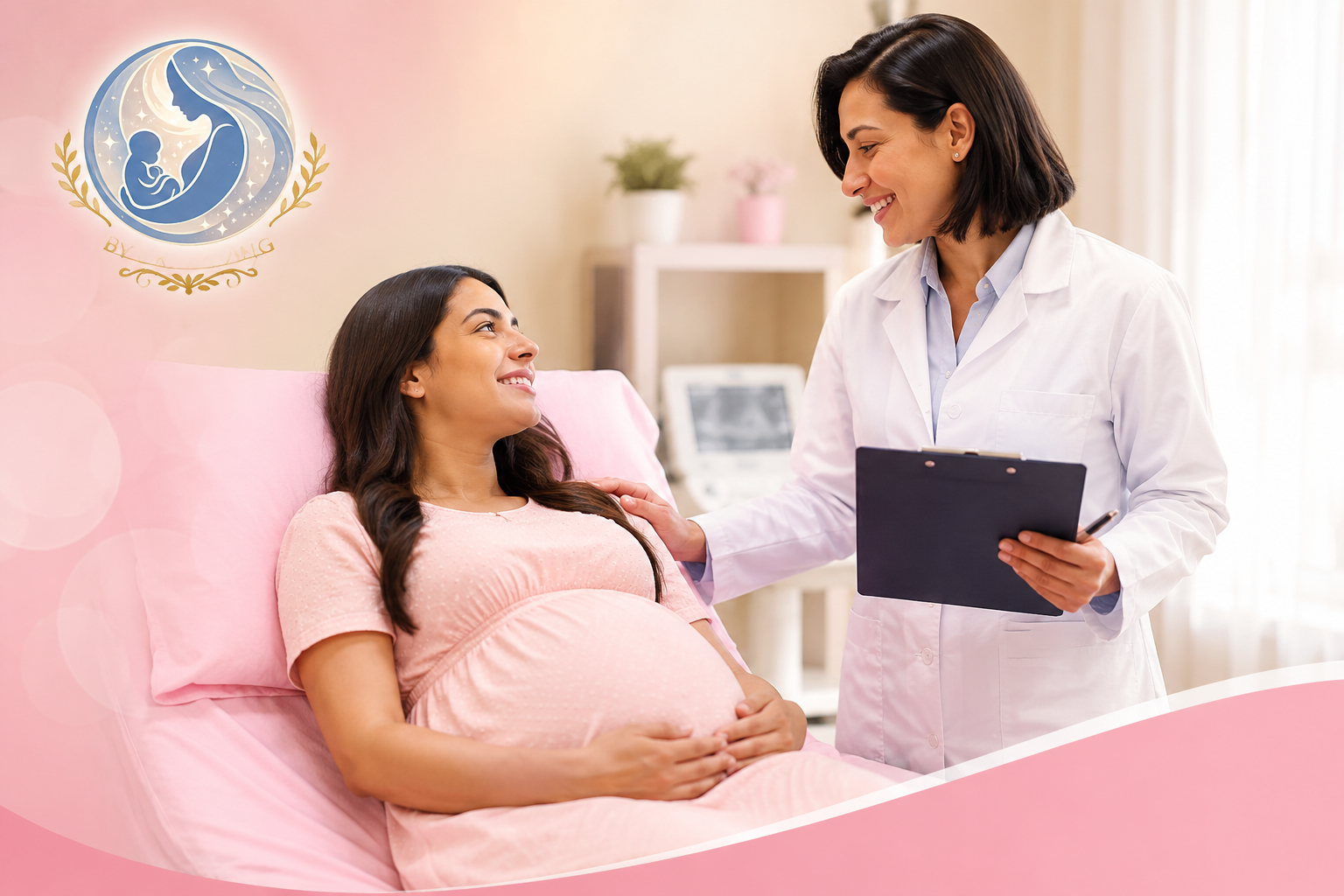
Pregnancy is one of the most critical periods for a woman’s body are the physical, emotional and hormonal changes it goes through. With proper medical supervision, mother and child can be kept healthy during the pregnancy, from the time of a positive test to delivery and also during the postpartum period. With proper maternity care, pregnant women can obtain proper checks and checks, nutrition counselling, screening and support at the right time during their pregnancy.
Continue to follow pregnancy as required by individual health needs. Discussions with a qualified gynaecologist will help identify potential issues early and care for the mother at the right time.
Understanding Pregnancy Care
Pregnancy care begins as soon as she is informed that she is pregnant. The mother can expect to have her delivery date set as soon as the doctor is consulted early and will be able to gain insight into the overall condition of the mother’s health. Depending on the stage of pregnancy and medical history, blood tests, urine tests, ultrasound scans, and other routine investigations may be recommended.
Having a healthy diet, exercising as directed by the doctor, getting proper sleep, and avoiding harmful practices for mother and child are all a part of a healthy pregnancy. In some cases, women with certain health issues (thyroid disease, diabetes, blood pressure or past pregnancy complications) must be monitored closely.
Health checks are crucial during pregnancy!
A pregnancy checkup doesn’t have to involve seeing the baby. It also evaluates the mother’s blood pressure, weight, health and pregnancy symptoms. Further tests or ultrasound scans may be carried out at different points in time to monitor the baby’s development.
Pregnant women can also talk to their doctors about issues such as nausea and vomiting, abdominal pain, swelling, back pain, changes in appetite, and other issues that they experience regularly during their pregnancy. For severe symptoms, call for medical assistance if there is anything is abnormal, unusual or sudden.
Antenatal care is very important.
The role of antenatal care is to ensure the health of the mother and developing baby until birth. This includes planned checks, appropriate investigations, nutritional guidance, prevention advice and checks in pregnancy.
The number and type of antenatal visits can vary depending on the pregnancy and the mother’s medical history. Routine check-ups can help a health care provider detect some problems early and decide if further testing or referral is necessary.
Antenatal visits are also to prepare for labour and delivery. The mother-to-be can discuss the birth plan, signs to watch for, breastfeeding, new baby care and postpartum recovery with the healthcare provider.
Post-normal pregnancy care
Not all pregnancies develop as they always do. Women in higher risk categories may require more attention, based on pregnancy symptom issues, losses, multiple pregnancy and other factors. In such cases, personalised monitoring is particularly crucial.
In certain cases, the gynaecological condition or pregnancy-associated morbidities could require medical interventions. A D&C procedure may be recommended for some medical factors of the uterus, for example. It should only be considered when clinically indicated and with the advice of an appropriately qualified healthcare professional who has discussed the rationale, benefits, risks and alternatives.
Comprehensive Women’s Healthcare
The care and support a woman requires is not limited to the post-birth period. Gynaecological treatment may include contraceptive, menstrual, reproductive health, fertility and other treatments concerning the treatment of female reproduction.
The issue of permanent contraception may be raised in cases where women have completed childbearing. Tubectomy is a surgical procedure to achieve the permanent sterilisation of women. Women who are considering this should have a detailed consultation to understand this process, its permanency, its risks and its alternatives.
As people age, their health requirements will differ. During menopause, fluctuating hormones can trigger a variety of symptoms, such as hot flashes, sleep problems, mood shifts, irregular periods and vaginal dryness. With symptoms and medical history, a doctor can discuss the best way of menopause treatment.
Choosing the Best Gyne Support
A successful gynecology clinic can make it simpler for women to obtain ongoing treatment at various phases of life. Regular consultations can help to create continuity in reproductive health, pregnancy, postpartum, and older life services beyond individual concerns.
A women’s health clinic can provide a secure place to study and talk about a delicate health matter and to get suitable examination. Women are encouraged to ask questions about symptoms, investigations, treatment, pregnancy, contraception and changes affecting them as they get older.
Practising a Healthy Pregnancy
Pregnancy is a time when people need regular medical attention, and the need for it extends beyond the time doctors prescribe for when they notice a problem. Consultation, recommended testing, health maintenance and raising awareness of the risk factors may help to ensure safer pregnancy management.
Women of any age can feel good about having the independence to run their own treatment in the medical environment, whether it is their first visit or regular follow-ups. The importance of the right care is not limited to pregnancy and is important when women have medical conditions related to their gynaecological health, require contraceptive care, are menopausal, etc.
When women are concerned about their pregnancy, they should always seek advice first from a competent gynaecologist, and according to their history and condition, they should adopt a personalised care plan that suits the pregnancy at a specific stage.