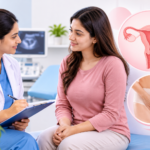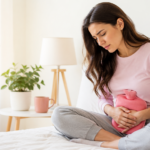

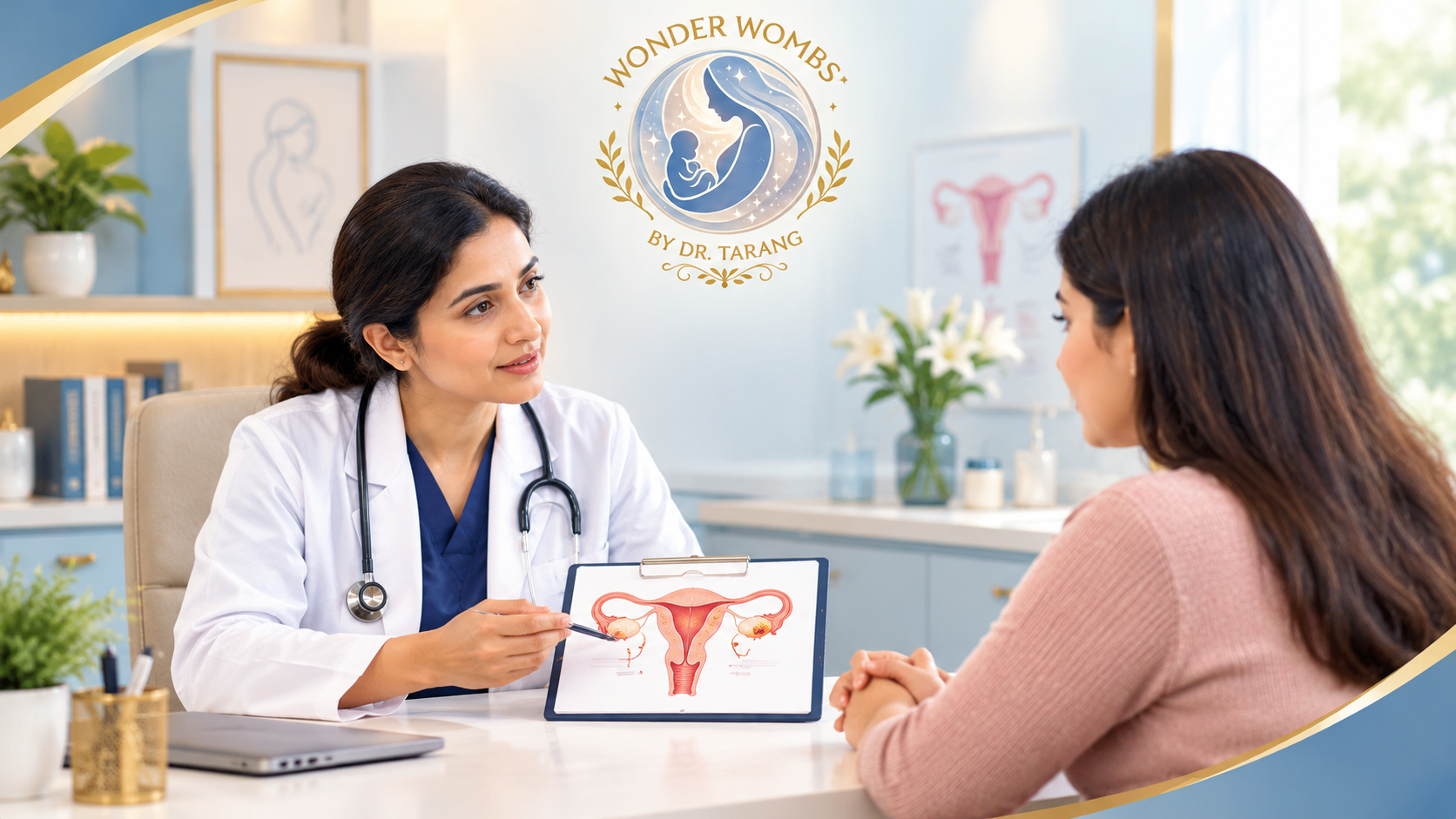
If you are looking for Endometriosis Treatment in Greater Noida West, understanding the condition and knowing when to seek medical advice is an important first step. At Wonder Wombs, women can seek guidance for gynaecological concerns, menstrual problems, and fertility-related questions.
What Is Endometriosis?
Endometriosis is a condition in which tissue similar to the lining of the uterus grows outside the uterus. It may develop around the ovaries, fallopian tubes, and other areas within the pelvis. This tissue can respond to hormonal changes during the menstrual cycle, leading to inflammation, pain, and sometimes scar tissue or adhesions.
The symptoms can vary from one woman to another. Some women experience severe discomfort, while others may have mild symptoms or no noticeable symptoms at all.
Early medical evaluation can help identify the possible cause of symptoms and guide appropriate treatment.
Common Symptoms of Endometriosis
Recognising the symptoms of endometriosis can help women seek care before the condition significantly affects their daily lives.
Common symptoms include:
- Painful periods: Menstrual cramps that are severe, worsen over time, or interfere with normal activities.
- Chronic pelvic pain: Pain in the lower abdomen or pelvis that may occur outside the menstrual period.
- Pain during intercourse: Discomfort or pain during or after sexual activity.
- Heavy or irregular bleeding: Periods that are unusually heavy or bleeding between periods.
- Bowel or bladder discomfort: Pain during bowel movements or urination, particularly around menstruation.
- Difficulty conceiving: Some women with endometriosis experience fertility challenges.
These symptoms can also occur with other gynaecological conditions. A qualified gynaecologist can help determine the likely cause.
What Causes Endometriosis?
The exact cause of endometriosis is not fully understood. Researchers believe that several factors may contribute to its development, including hormonal influences, immune system factors, genetic susceptibility, and the way endometrial-like tissue develops or spreads.
Having a close family member with endometriosis may increase the likelihood of developing the condition. However, it can affect women with or without a family history.
Endometriosis is not caused by poor personal hygiene, and women should not blame themselves for developing it.
How Is Endometriosis Diagnosed?
An accurate diagnosis is important because pelvic pain can have several causes. During a consultation, a gynaecologist may review your symptoms, menstrual history, medical background, and any fertility concerns.
Depending on the situation, the evaluation may include:
1. Medical history and examination
Your doctor may ask when the pain occurs, how severe it is, and whether it affects your daily activities. A pelvic examination may be recommended when appropriate.
2. Ultrasound
A pelvic or transvaginal ultrasound may help identify ovarian endometriomas and certain other abnormalities. However, a normal ultrasound does not rule out all forms of endometriosis.
3. Additional investigations
An MRI may be useful in selected cases, particularly when deeper endometriosis is suspected. Laparoscopy, a type of keyhole surgery, may be considered when the diagnosis remains uncertain or surgical treatment is appropriate.
The right diagnostic approach depends on your symptoms and clinical assessment.
Endometriosis Treatment in Greater Noida: Available Options
Treatment depends on the severity of symptoms, the location of the condition, your age, medical history, and whether you are planning a pregnancy.
1. Pain Management
Pain-relieving medicines may help manage menstrual cramps and pelvic discomfort. Your doctor can advise which medicines are suitable for you, considering your medical history and any plans for pregnancy.
2. Hormonal Treatment
Hormonal medicines may help reduce pain and suppress the activity of endometriosis-related tissue. Options can include certain hormonal contraceptives or progestogen-based treatments. Other medicines may be considered in selected cases.
These treatments do not suit everyone and generally do not remove the condition permanently. Hormonal treatment is also not appropriate while actively trying to conceive, so fertility plans should be discussed before starting treatment.
3. Surgical Treatment
Surgery may be recommended when symptoms are severe, medicines have not provided adequate relief, or particular complications are present. Laparoscopic surgery can remove or treat endometriosis lesions and adhesions in suitable cases.
The benefits and potential risks should be discussed carefully, especially when the ovaries are involved and future fertility is important.
4. Supportive Lifestyle Measures
Lifestyle changes cannot cure endometriosis, but some women find that supportive habits improve their comfort and general well-being.
These may include regular physical activity as tolerated, adequate sleep, a balanced diet, stress management, and tracking symptoms throughout the menstrual cycle. Persistent pain should still be assessed by a medical professional rather than managed through lifestyle changes alone.
Endometriosis and Female Fertility
Endometriosis may affect fertility in some women, although many women with the condition conceive naturally. Its effect on fertility depends on factors such as the extent of the disease, ovarian function, fallopian tube health, and the age and reproductive health of both partners.
If you have endometriosis and are planning a pregnancy, a fertility assessment can help clarify your options. Depending on your circumstances, your doctor may discuss expectant management, surgery in selected cases, intrauterine insemination (IUI), or in vitro fertilisation (IVF).
Surgery involving the ovaries may sometimes affect ovarian reserve, so the potential benefits and risks should be considered before proceeding. Fertility treatment should be individualised rather than based on the diagnosis alone.
Choosing an Endometriosis Treatment Clinic in Greater Noida West
When looking for an Endometriosis Treatment clinic in Greater Noida West, consider a centre where your symptoms are taken seriously and your treatment plan is explained clearly.
Useful factors to consider include:
- Access to a qualified gynaecologist for assessment and follow-up.
- Appropriate investigations based on your symptoms.
- Clear explanations of medication, surgical, and fertility-related options.
- Consideration of your pregnancy plans and personal preferences.
- Guidance on when specialist referral or additional care may be necessary.
At Wonder Wombs, women can seek consultation for menstrual concerns, pelvic pain, and reproductive health questions. Discuss your symptoms with the clinical team to understand which investigations or treatments may be appropriate for you.
When Should You Consult a Gynaecologist?
Do not ignore period pain that repeatedly affects work, studies, sleep, or everyday activities. You should also seek an assessment if you experience persistent pelvic pain, pain during intercourse, unusually heavy periods, or difficulty conceiving.
Seek urgent medical attention if you experience sudden, severe pelvic pain, particularly with fainting, fever, vomiting, or the possibility of pregnancy.
Early assessment can help identify the cause of symptoms and prevent delays in receiving appropriate care.
Get Guidance for Endometriosis at Wonder Wombs
Living with persistent pelvic pain can be physically and emotionally exhausting. The right approach starts with understanding your symptoms, getting an appropriate assessment, and discussing treatment options that suit your health and reproductive goals.
If you are searching for Endometriosis Treatment in Greater Noida West or Endometriosis Treatment in Greater Noida, Wonder Wombs can be a starting point for discussing your gynaecological concerns and understanding the next steps in care.