
Pelvic pain is a common concern among women, but when the discomfort continues for weeks or keeps returning over several months, it should not be ignored. It may affect daily activities, sleep, exercise, relationships and overall well-being. Understanding the possible causes and recognising the symptoms can help women seek appropriate medical care at the right time.
At Wonder Wombs, women’s health is an important part of comprehensive healthcare. If you are experiencing persistent lower abdominal discomfort, painful periods or pain during daily activities, learning more about chronic pelvic pain can help you take an informed step towards better health.
What Is Chronic Pelvic Pain?
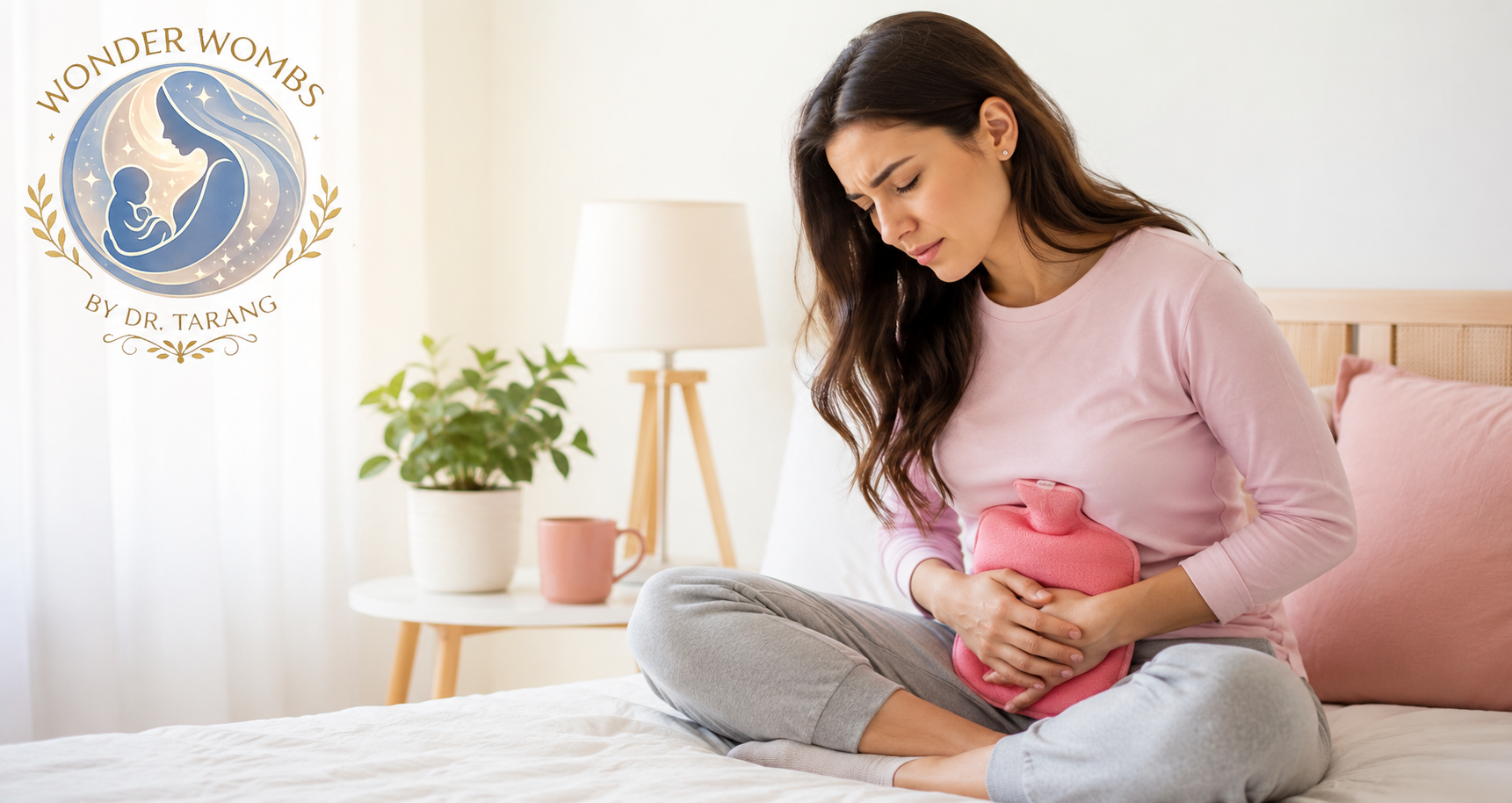
Chronic pelvic pain refers to pain in the lower abdomen or pelvic region that lasts for six months or longer. The pain may be constant, or it may come and go. Some women experience discomfort throughout the month, while others notice that it becomes worse during menstruation, sexual activity or bowel movements.
The pelvis contains several important organs, including the uterus, ovaries, bladder and parts of the digestive system. Problems affecting these organs, as well as the surrounding muscles and nerves, can contribute to ongoing pain.
Chronic pelvic pain does not always have a single cause. In some cases, more than one condition may contribute to the symptoms. A medical assessment can help identify possible causes and guide the next steps.
Common Causes of Pelvic Pain in Women
Understanding the causes of pelvic pain is an important part of finding the right treatment. Although occasional discomfort may be related to menstruation, persistent or recurring pain can sometimes indicate an underlying health condition.
1. Endometriosis
Endometriosis is a condition in which tissue similar to the lining of the uterus grows outside the uterus. It may cause painful periods, lower abdominal discomfort, pain during sexual intercourse and sometimes difficulty conceiving.
Women with endometriosis may experience pelvic pain that gradually becomes more noticeable or continues beyond their menstrual period. A gynaecologist can assess the symptoms and discuss appropriate management options.
2. Pelvic Inflammatory Disease (PID)
Pelvic inflammatory disease is an infection affecting the female reproductive organs. It can involve the uterus, fallopian tubes and surrounding tissues. Symptoms may include lower abdominal pain, unusual vaginal discharge, fever or discomfort during sex.
Some women have mild symptoms, so medical assessment is important when an infection is suspected. Early diagnosis and appropriate treatment can help reduce the risk of complications.
3. Uterine Fibroids
Uterine fibroids are generally non-cancerous growths that develop in or around the uterus. Depending on their size and location, they may cause pelvic pressure, heavy menstrual bleeding, lower back pain or a feeling of fullness in the abdomen.
Not every fibroid causes symptoms. When discomfort or bleeding affects daily life, a gynaecologist can evaluate the condition and explain suitable treatment options.
4. Ovarian Cysts
Ovarian cysts are fluid-filled sacs that develop in or on an ovary. Many are harmless and resolve without treatment, but some can cause pelvic discomfort, bloating or a feeling of heaviness.
Sudden, severe pelvic pain may indicate a complication, such as a ruptured cyst or ovarian torsion, and requires urgent medical attention.
5. Painful Periods and Adenomyosis
Menstrual cramps are common, but severe pain that interferes with everyday activities deserves attention. Adenomyosis occurs when tissue similar to the uterine lining grows into the muscular wall of the uterus.
It can cause painful periods, heavy bleeding and persistent pelvic discomfort. If period pain is becoming more severe over time, consulting a gynaecologist can help determine whether further evaluation is needed.
6. Urinary Tract and Digestive Problems
Pelvic pain does not always originate in the reproductive organs. Urinary tract infections, painful bladder syndrome, constipation and irritable bowel syndrome can also cause discomfort in the lower abdomen.
Symptoms such as frequent urination, burning during urination, bloating or changes in bowel habits may help a doctor identify the possible source of the problem.
7. Pelvic Floor Muscle Problems
The pelvic floor muscles support the bladder, bowel and reproductive organs. When these muscles become tense, irritated or fail to relax properly, they may contribute to ongoing pelvic pain.
Some women experience discomfort while sitting for long periods, exercising or having sexual intercourse. Depending on the cause, treatment may include specialised pelvic floor physiotherapy.
Pelvic Pain Symptoms You Should Recognise
The pelvic pain symptoms experienced by women can vary depending on the underlying cause. Some women describe a mild, dull ache, while others experience sharp, cramping or burning sensations.
Common symptoms include:
- Persistent or recurring pain in the lower abdomen.
- Pain or pressure in the pelvic region.
- Menstrual cramps that interfere with normal activities.
- Pain during or after sexual intercourse.
- Discomfort during urination or bowel movements.
- Lower back pain or a feeling of heaviness.
- Abdominal bloating or changes in bowel habits.
- Frequent or urgent urination.
- Unusually heavy menstrual bleeding or irregular periods.
These symptoms do not necessarily mean that a serious condition is present. However, if they persist, worsen or interfere with your routine, it is important to seek medical advice rather than relying on self-diagnosis.
When Should You Consult a Gynaecologist?
Many women become accustomed to menstrual discomfort or recurring abdominal pain and delay seeking help. However, persistent pain should not automatically be considered a normal part of the menstrual cycle.
Consider arranging a medical consultation if:
- Pelvic pain keeps returning or does not improve.
- Period pain is becoming more severe.
- You experience pain during sexual intercourse.
- Your periods become unusually heavy or irregular.
- You notice unusual vaginal discharge or bleeding.
- Pelvic discomfort is affecting your sleep, work or daily activities.
Seek emergency medical care if you develop sudden, severe or worsening pelvic pain, particularly with fainting, dizziness, heavy vaginal bleeding, fever or vomiting. If you are pregnant or could be pregnant and experience pelvic pain, seek prompt medical assessment because some causes require urgent treatment.
How Is Chronic Pelvic Pain Diagnosed?
Identifying the cause of chronic pelvic pain may require more than one assessment. Your doctor will usually begin by discussing your symptoms, menstrual history, previous medical conditions and the pattern of your pain.
Depending on your symptoms, the evaluation may include:
Medical history and examination: Your doctor may ask when the pain started, where it occurs, how severe it is and whether it changes during your menstrual cycle.
Pelvic examination: When appropriate and with your consent, an examination may help identify tenderness or other signs that require further investigation.
Ultrasound: Pelvic ultrasound may help assess the uterus, ovaries, fibroids and ovarian cysts.
Laboratory tests: Urine, blood or infection-related tests may be recommended based on your symptoms and medical history.
Further investigations: In selected cases, additional tests or referral to another specialist may be necessary.
The tests recommended will depend on your individual situation. Not every patient requires every investigation.
Treatment Options for Chronic Pelvic Pain
There is no single treatment that works for every case of chronic pelvic pain. The most suitable approach depends on the cause, the severity of symptoms, your medical history and your future pregnancy plans.
Treatment options may include:
- Medication: Medicines may be prescribed to manage pain, menstrual symptoms or an identified infection.
- Hormonal treatment: For certain conditions, such as endometriosis or painful periods, hormonal treatment may help control symptoms.
- Treatment for the underlying condition: Fibroids, ovarian cysts, urinary problems and digestive conditions may require different approaches.
- Pelvic floor physiotherapy: Specialised exercises and physical therapy may help when pelvic muscle dysfunction contributes to pain.
- Surgery: Selected conditions may require a procedure when other treatments are unsuitable or ineffective.
Lifestyle measures such as regular gentle physical activity, adequate sleep and keeping a symptom diary may also support your overall care. However, these measures should complement medical assessment rather than replace it.
Never start antibiotics, hormonal medicines or long-term pain medication without appropriate medical advice.
How Can You Manage Pelvic Pain in Everyday Life?
Living with recurring pain can be frustrating, especially when the cause is not immediately clear. A few practical steps may help you communicate your symptoms more effectively and support your treatment plan.
Keep a record of when the pain occurs, how long it lasts and whether it relates to your period, urination, bowel movements or physical activity. Note any associated symptoms, such as bloating or unusual bleeding.
Maintain a balanced diet, drink enough water and aim for regular sleep. Gentle movement may be helpful if it does not worsen your discomfort. If a particular activity triggers pain, discuss it with your healthcare professional.
Most importantly, do not dismiss ongoing symptoms simply because they are manageable on some days. Early assessment can help clarify the cause and identify suitable care.
Chronic Pelvic Pain Care at Wonder Wombs
Women experiencing ongoing pelvic discomfort may need individualised assessment to understand whether the symptoms are related to menstruation, endometriosis, fibroids, ovarian conditions or another health concern.
Wonder Wombs provides women’s healthcare services, including gynaecological care, to support patients in understanding their symptoms and discussing appropriate next steps. If you are concerned about persistent pelvic pain, consider scheduling a consultation with a qualified gynaecologist.
You can visit Wonder Wombs to learn more about the clinic and its women’s healthcare services.