
Polycystic Ovary Syndrome, commonly known as PCOS, is one of the most common hormonal conditions affecting women during their reproductive years. It can affect menstrual cycles, ovulation, skin, hair growth, weight and fertility. For some women, the symptoms may be mild, while others may experience irregular periods, acne, unwanted facial hair or difficulty conceiving.
If you are experiencing repeated menstrual irregularities or other symptoms associated with PCOS, timely medical consultation can help identify the underlying cause and guide appropriate treatment.
For women looking for PCOS Treatment in Greater Noida West, Wonder Wombs provides women’s healthcare and fertility-focused care with an approach based on individual symptoms, health needs and reproductive goals.
What is PCOS?
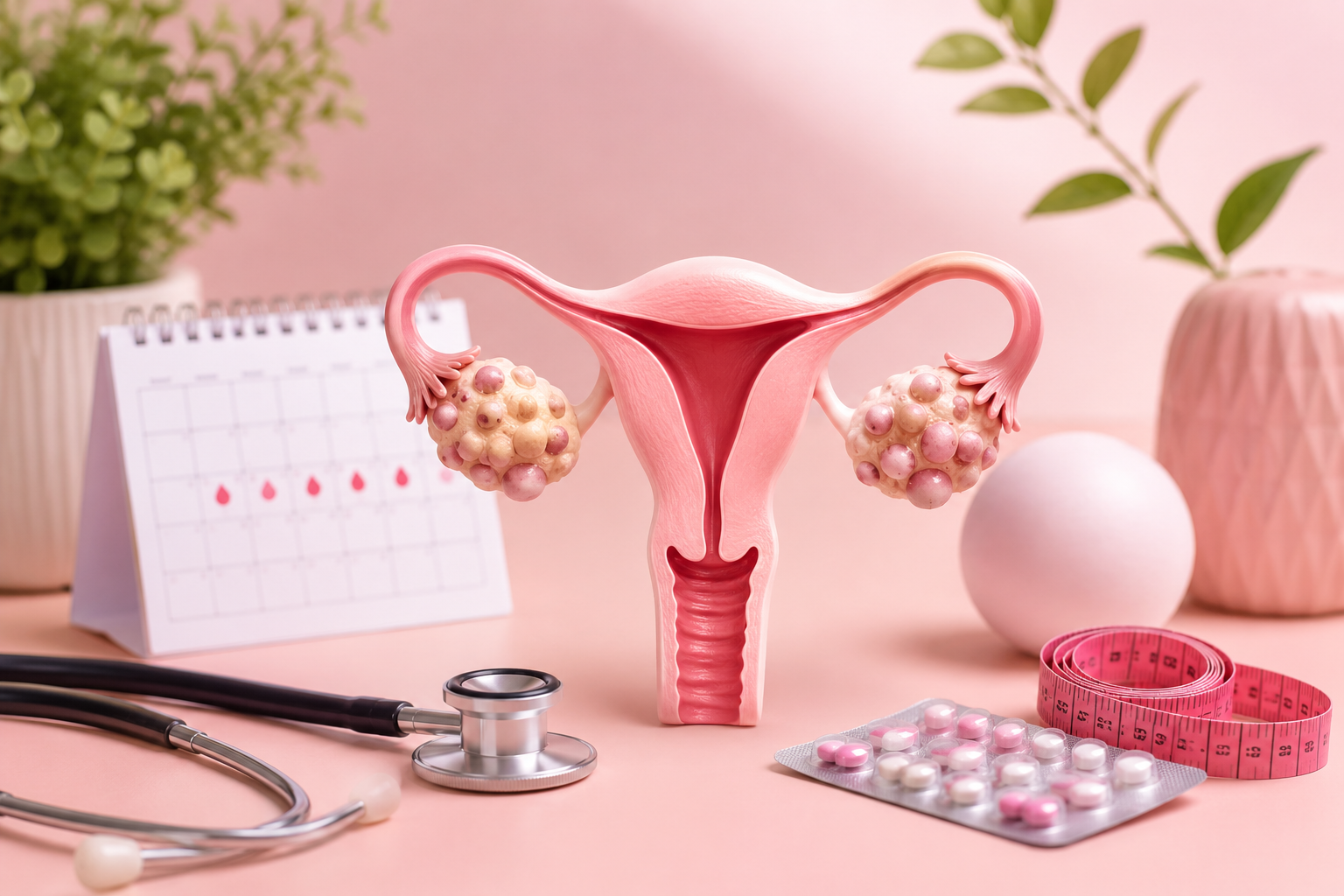
PCOS is a hormonal and metabolic condition that can affect ovulation and menstrual cycles. Women with PCOS may have higher levels of androgens, irregular ovulation or other hormonal changes.
PCOS does not look the same in every woman. Some women primarily experience irregular periods, while others may notice acne, increased facial hair, hair thinning or fertility concerns.
It is also important to understand that having polycystic-appearing ovaries on an ultrasound alone does not necessarily mean that a woman has PCOS. A proper evaluation is important before starting treatment.
Common Symptoms of PCOS
PCOS symptoms can vary considerably from one woman to another. Common signs may include:
- Irregular or missed periods
- Very long or unpredictable menstrual cycles
- Difficulty with ovulation
- Acne or oily skin
- Increased facial or body hair
- Hair thinning or female-pattern hair loss
- Changes in weight
- Difficulty becoming pregnant
- Signs associated with insulin resistance or metabolic health problems
Not every woman with PCOS will experience all of these symptoms. Some women may discover the condition while undergoing an evaluation for irregular periods or difficulty conceiving.
According to the World Health Organization, PCOS is also associated with an increased risk of metabolic problems such as insulin resistance and type 2 diabetes, which is why long-term health monitoring can be important.
What Causes PCOS?
There is no single cause of PCOS. Genetics, hormonal factors and metabolic health can all play a role.
Family history may increase the likelihood of developing PCOS. Lifestyle factors can also influence metabolic health, although PCOS should not be viewed simply as a weight-related condition.
This is why treatment should focus on the individual rather than following the same plan for every woman.
How is PCOS Diagnosed?
PCOS diagnosis usually involves a detailed assessment of your symptoms and medical history. Your doctor may ask about:
- Menstrual cycle patterns
- Changes in weight
- Acne or unwanted hair growth
- Previous pregnancy or fertility history
- Family history
- Current medications and health conditions
Depending on your symptoms, your doctor may recommend blood tests, hormonal evaluation, metabolic screening or pelvic ultrasound.
A proper diagnosis is important because irregular periods and similar symptoms can also occur due to other hormonal or medical conditions.
PCOS Treatment in Greater Noida West
There is no single treatment that works for every woman with PCOS. Management depends on the symptoms, age, overall health and whether pregnancy is currently desired.
1. Lifestyle Management
Healthy lifestyle habits are an important part of PCOS management. Regular physical activity, balanced nutrition, adequate sleep and sustainable daily routines can support metabolic health and overall well-being.
Importantly, lifestyle management is not only about losing weight. Evidence-based PCOS guidelines recommend healthy eating and physical activity for women with PCOS regardless of whether weight loss occurs.
2. Managing Irregular Periods
If irregular or absent periods are a major concern, your doctor may recommend treatment to help manage menstrual irregularity and protect the health of the uterine lining.
The appropriate medication depends on your individual medical history, symptoms and reproductive plans. Medicines should always be taken under medical supervision.
3. Managing Acne and Excess Hair Growth
Hormonal changes associated with PCOS can contribute to acne and unwanted facial or body hair.
Depending on the cause and severity, treatment may include medicines or other approaches aimed at reducing these symptoms. Your doctor can help determine which option is appropriate for you.
4. PCOS and Fertility Treatment
PCOS does not mean that pregnancy is impossible.
Some women with PCOS have difficulty conceiving because irregular ovulation can make it harder to identify the fertile window. If pregnancy is your goal, treatment may focus on improving ovulation and addressing other factors that could affect fertility.
Current international guidelines recommend ovulation-induction treatment based on individual circumstances, with letrozole recommended as a first-line pharmacological option for many women with PCOS-related anovulatory infertility when there are no other infertility factors.
If you have been trying to conceive and have irregular periods, consulting a fertility specialist can help you understand your options instead of waiting for the problem to resolve on its own.
Can PCOS Be Cured?
PCOS is generally considered a long-term condition rather than something that has a single permanent cure. However, its symptoms and associated health risks can often be managed effectively.
The goal of treatment is not simply to treat one symptom. A good management plan considers menstrual health, hormonal symptoms, metabolic health, emotional well-being and fertility goals.
With appropriate guidance and regular follow-up, many women with PCOS are able to manage their symptoms and maintain a healthy quality of life.
When Should You See a Doctor for PCOS?
You should consider a gynecological consultation if you regularly experience:
- Periods that are frequently delayed or missed
- Very irregular menstrual cycles
- Persistent acne or unwanted facial hair
- Unexplained changes in weight
- Difficulty becoming pregnant
- Symptoms that are affecting your confidence or daily life
Early evaluation can help identify the reason behind your symptoms and prevent you from relying on self-diagnosis or unsuitable treatments.
Why Choose Wonder Wombs for PCOS Care?
At Wonder Wombs, women can seek gynecology and fertility-focused care for concerns related to hormonal health, menstrual irregularities and reproductive health.
The approach to PCOS management should be personalized because every woman’s symptoms and goals are different. Whether your primary concern is irregular periods, hormonal symptoms or fertility, discussing your symptoms with a qualified gynecologist can help you understand the next steps.
For women searching for PCOS Treatment in Greater Noida West, Wonder Wombs is located at Amrapali Leisure Valley, Tech Zone IV, Greater Noida West. Wonder Wombs Women’s Health & Fertility Care, Greater Noida West
Take the First Step Towards Better Hormonal Health
PCOS can be frustrating, especially when symptoms keep returning or affect your menstrual cycle and fertility plans. But you do not have to manage these concerns without professional guidance.
A proper diagnosis followed by an individualized treatment and lifestyle plan can make PCOS management more manageable.
If you are experiencing symptoms of PCOS or looking for PCOS Treatment in Greater Noida West, consider scheduling a consultation with Wonder Wombs to discuss your concerns and available treatment options.