

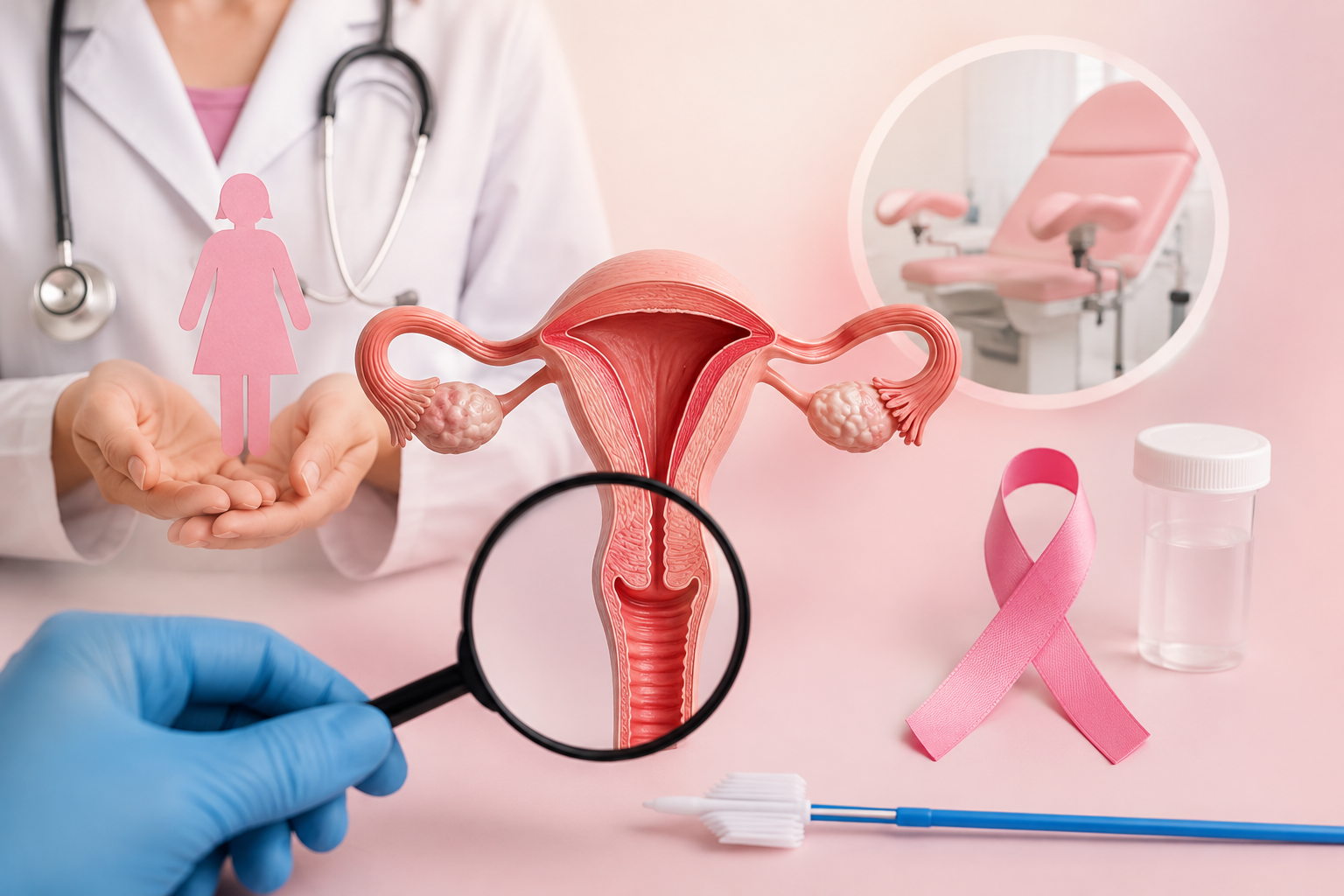
Cervical cancer is one of the important health concerns affecting women, but it is also a condition where early detection and preventive screening can make a significant difference. Many cervical changes may develop without noticeable symptoms, which is why women should not wait for pain, bleeding, or other warning signs before discussing screening with a gynaecologist.
For women looking for Cervical Cancer Screening in Greater Noida West, understanding available screening methods, who may need screening, and when to consult a doctor can help in making informed decisions about women’s health.
At Wonder Wombs, women can discuss their cervical health concerns with a gynaecology specialist and understand which screening or follow-up evaluation may be appropriate for them.
What Is Cervical Cancer Screening?
Cervical cancer screening involves checking the cervix for high-risk HPV infection or abnormal cell changes that may develop into cervical cancer. Screening is different from diagnosing cancer. Its purpose is to identify HPV infection or pre-cancerous changes early so that appropriate evaluation and treatment can be considered.
According to the World Health Organization (WHO), HPV-based testing is the preferred primary screening approach for cervical cancer prevention.
Why Is Cervical Cancer Screening Important?
Cervical cancer may not cause obvious symptoms during its early stages. A woman can feel completely healthy while abnormal changes are developing.
Regular screening can help:
- Identify high-risk HPV infection
- Detect cervical abnormalities at an early stage
- Find pre-cancerous changes before they progress
- Guide doctors regarding further testing or treatment
- Reduce the risk of delayed diagnosis
The goal of screening is not simply to find cancer. It is also to identify changes before cervical cancer develops, when appropriate management can help prevent progression.
What Causes Cervical Cancer?
Persistent infection with certain high-risk types of human papillomavirus (HPV) is the major cause of cervical cancer. HPV is a common infection, and having HPV does not automatically mean that a woman has cancer.
In many cases, the body’s immune system clears an HPV infection. However, persistent infection with high-risk HPV types can cause changes in cervical cells over time. Some of these changes may eventually become cancerous if they are not detected and managed.
This is why HPV testing and cervical screening are important parts of preventive women’s healthcare.
What Tests Are Used for Cervical Cancer Screening?
The appropriate screening method can depend on a woman’s age, medical history, previous screening results, available testing facilities, and clinical recommendations.
1. HPV Testing
An HPV test checks for high-risk types of human papillomavirus associated with cervical cancer.
WHO’s current guidance continues to support HPV DNA-based screening and provides recommendations for the use of HPV genotyping to help assess risk and guide follow-up.
2. Pap Smear or Cytology
A Pap smear examines cells collected from the cervix for abnormal changes. Depending on the screening programme and individual circumstances, cytology may be used as a screening test or as part of further evaluation.
3. Further Evaluation After an Abnormal Result
An abnormal screening result does not necessarily mean cancer. Your doctor may recommend additional evaluation depending on the result.
This may include repeat testing, HPV testing, colposcopy, or other investigations. The appropriate next step depends on the specific result and individual risk.
When Should Women Consider Cervical Cancer Screening?
Screening recommendations can vary according to age, risk factors, previous results, and national or local healthcare guidelines.
WHO’s general-population guidance recommends starting regular cervical cancer screening at age 30, while recommendations can differ for women living with HIV or women with other specific risk factors.
Rather than choosing a test based only on age, it is best to discuss your personal screening schedule with a qualified gynaecologist.
Women who have previously had an abnormal cervical screening result may also need a different follow-up schedule.
Are There Symptoms of Cervical Cancer?
Early cervical cancer or pre-cancerous changes may not produce noticeable symptoms. This is one of the main reasons screening is valuable.
Possible warning signs that should be medically evaluated include:
- Unusual vaginal bleeding
- Bleeding after sexual intercourse
- Bleeding between periods
- Unusual or persistent vaginal discharge
- Pelvic pain
- Pain during intercourse
These symptoms can have many causes and do not automatically indicate cervical cancer. However, persistent or unusual symptoms should not be ignored.
Who May Need More Attention?
Some women may require more individualized screening or follow-up based on their medical history. This can include women with:
- Previous abnormal Pap or HPV test results
- Persistent high-risk HPV infection
- A history of cervical pre-cancer
- Certain immune-system conditions
- Previous cervical procedures
- Other risk factors identified by their doctor
If you are unsure whether you need screening, a consultation with a gynaecologist can help determine the appropriate next step.
Cervical Cancer Screening in Greater Noida West
Finding convenient and reliable women’s healthcare services can make preventive screening easier. Women searching for Cervical Cancer Screening in Greater Noida West can consult Wonder Wombs to discuss their cervical health, screening requirements, symptoms, and previous test reports.
The focus should not only be on testing but also on proper interpretation and follow-up. If a screening test shows an abnormality, timely medical evaluation is important.
At Wonder Wombs, women can discuss their concerns privately and receive guidance based on their individual health needs.
Can Cervical Cancer Be Prevented?
Cervical cancer prevention involves more than one approach. HPV vaccination, appropriate screening, timely follow-up of abnormal results, and treatment of pre-cancerous lesions all have important roles.
WHO’s cervical cancer elimination strategy emphasizes both vaccination and effective screening and treatment programmes.
However, HPV vaccination does not replace cervical screening. Women should follow screening recommendations even if they have received the HPV vaccine, unless their healthcare provider advises otherwise.
When Should You See a Gynaecologist?
You should consider speaking with a gynaecologist if:
- You have never had cervical screening
- You are unsure when your next screening is due
- You have received an abnormal HPV or Pap test result
- You experience unusual vaginal bleeding
- You have persistent abnormal vaginal discharge
- You have concerns about HPV infection
- You have a history of cervical abnormalities
Getting professional advice early can help avoid unnecessary worry and ensure that any required follow-up is not delayed.