
When it comes to women’s health, early detection and prevention are extremely important. One of the most essential screening tests recommended for women is the pap smear. Even though it is a simple and quick procedure, many women still feel confused or hesitant about getting tested.
In this detailed guide by Wonder Wombs, you will learn everything about the pap smear test, including what it is, why it is important, how the procedure works, what the results mean, and when you should get tested.
What Is a Pap Smear?
A pap smear, also known as a pap smear test, is a screening procedure used to detect abnormal or precancerous cells in the cervix. The cervix is the lower part of the uterus that connects to the vagina.
The main purpose of a pap smear is to identify early changes in cervical cells before they turn into serious conditions like cervical cancer. These early changes can be treated easily if detected on time, which is why this test is considered a powerful preventive tool.
It is important to understand that a pap smear does not diagnose cancer directly. Instead, it helps in detecting abnormal cells that may lead to cancer in the future if not treated.
Why Is Pap Smear Screening Important?
Cervical cancer develops slowly and often does not show symptoms in its early stages. This is why regular pap smear screening is so important for women’s health.
Pap smear screening helps in:
- Detecting abnormal or precancerous cells early
- Preventing the development of cervical cancer
- Monitoring cervical health over time
- Identifying infections or inflammation
Regular screening has helped reduce cervical cancer cases significantly across the world. At Wonder Wombs, we always encourage women to prioritize preventive health check-ups rather than waiting for symptoms to appear.
Pap Smear vs HPV Test
Many women get confused between a pap smear and an HPV test. While both are related to cervical health, they serve different purposes.
A pap smear test checks for abnormal changes in cervical cells. On the other hand, an HPV test detects the presence of Human Papillomavirus, a common virus that is responsible for most cases of cervical cancer.
Doctors may sometimes recommend both tests together for more accurate screening, especially for women above the age of 30.
Pap Smear Procedure: Step-by-Step Guide
Understanding the pap smear procedure can help reduce fear and make the experience more comfortable.
Before the Test
To ensure accurate results, you should:
- Avoid sexual activity for 24 to 48 hours before the test
- Avoid using tampons, vaginal creams, or medications
- Schedule the test when you are not on your period
During the Procedure
The pap smear test is usually performed in a clinic and takes only a few minutes.
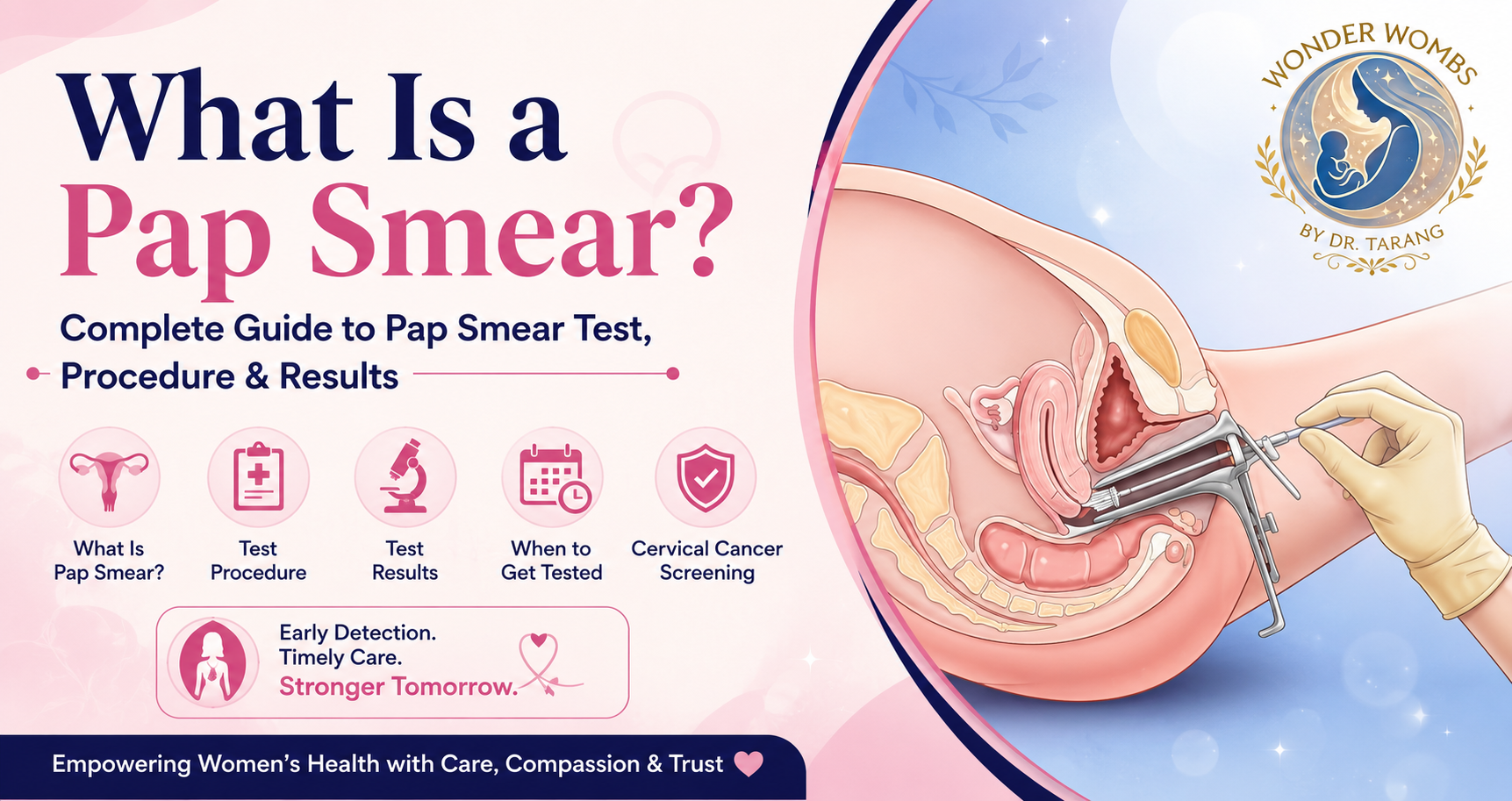
You will be asked to lie down on an examination table. The doctor will gently insert a speculum into the vagina to keep it open and clearly view the cervix. Then, a small brush or spatula is used to collect a sample of cervical cells.
Most women experience only mild discomfort during the procedure. It is generally quick and not painful.
After the Test
After the procedure:
- You can return to your daily routine immediately
- Mild spotting may occur in some cases, which is normal
- Results are usually available within a few days
Being aware of the process helps reduce anxiety and makes the test easier to undergo.
Pap Smear Test Results: What Do They Mean?
Understanding pap smear test results is important so that you do not feel anxious unnecessarily.
Normal Result
A normal result means no abnormal cells were found. This indicates that your cervix is healthy, and you can continue regular screening as advised.
Abnormal Result
An abnormal result does not mean cancer. It simply indicates changes in cervical cells that may require further testing or monitoring. In most cases, these changes are treatable.
Inconclusive Result
Sometimes the sample may not be clear or sufficient. In such cases, your doctor may recommend repeating the test.
If abnormal results are found, further evaluation may be suggested to ensure proper diagnosis and care.
When to Get a Pap Smear?
Knowing when to get a pap smear is essential for maintaining reproductive health.
- Women aged 21 to 29 should get tested every 3 years
- Women aged 30 to 65 should get tested every 3 to 5 years, sometimes along with an HPV test
- Women above 65 should consult their doctor based on previous reports
Women with certain health conditions or risk factors may need more frequent screening. At Wonder Wombs, personalized guidance is provided based on individual health needs.
Common Myths About Pap Smear Test
There are several myths that prevent women from getting a pap smear test. Let’s clear some of them.
Many people believe that the test is painful, but in reality, it only causes slight discomfort. Another common misconception is that only married women need this test, which is not true. Any woman above the age of 21 should consider screening.
Some also think that if there are no symptoms, testing is not necessary. However, early stages of cervical issues often do not show any symptoms, making regular screening very important.
Benefits of Regular Pap Smear Screening
Regular pap smear screening offers several important benefits.
It helps in early detection of abnormal cells, reduces the risk of cervical cancer, and ensures better long-term health. Early detection also makes treatment simpler and more effective.
By making pap smear screening a regular habit, women can take control of their health and avoid serious complications in the future.
Tips for a Comfortable Pap Smear Experience
If you feel nervous about your first pap smear, here are a few helpful tips:
- Stay relaxed and take slow, deep breaths
- Communicate openly with your doctor
- Choose a comfortable time for your appointment
- Wear loose and comfortable clothing
These simple steps can make your experience smoother and stress-free.