

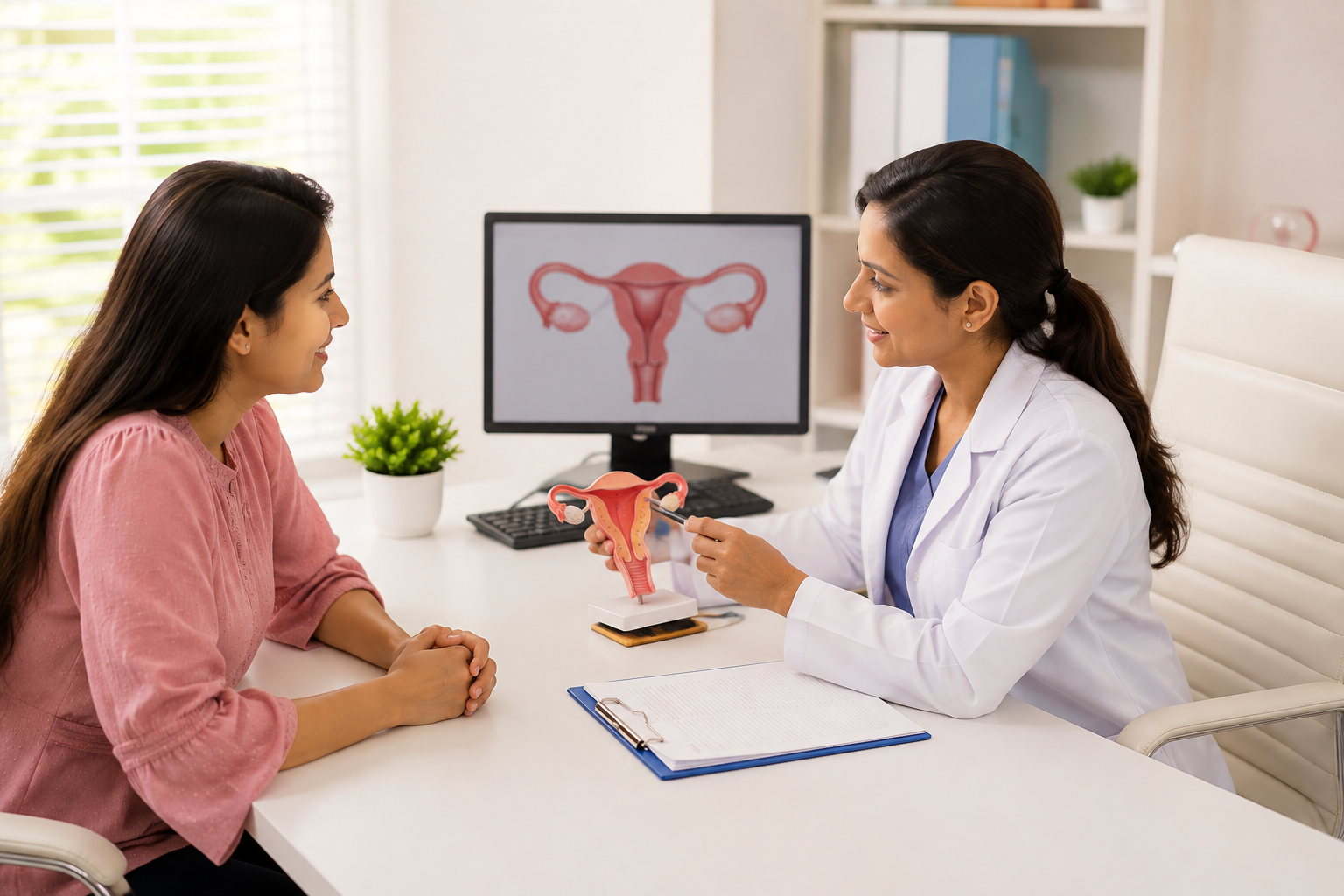
A gynecologist plays an important role in women’s healthcare by helping identify reproductive health concerns, providing medical guidance and recommending suitable treatment when necessary. Whether you have a specific concern or simply want to understand your body better, consulting a qualified specialist can be a positive step towards better health.
What Is Gynecology and Why Is It Important?
Many women have questions about their reproductive health but may not always know which specialist to consult. Understanding what is gynecology can help you make informed decisions about your healthcare.
Gynecology is a branch of medicine that focuses on the female reproductive system, including the uterus, ovaries, fallopian tubes, cervix and vagina. It covers a wide range of concerns, such as menstrual problems, reproductive infections, hormonal changes and menopause.
Gynecological care is not only about treating illnesses. It also helps women understand changes in their bodies, discuss preventive healthcare and receive advice based on their individual needs.
Regular consultations can be useful for addressing concerns early and understanding which health checks or screenings may be appropriate for your age and medical history.
When Should You Consult a Gynecologist?
Many women ignore discomfort or wait for symptoms to disappear on their own. While some changes may be temporary, persistent or unusual symptoms should not be overlooked.
You may want to consult a gynecologist if you experience:
- Irregular periods or unexpected changes in your menstrual cycle
- Severe menstrual cramps or unusually heavy bleeding
- Persistent pelvic pain or lower abdominal discomfort
- Unusual vaginal discharge, itching or irritation
- Difficulty conceiving or questions about pregnancy planning
- Symptoms associated with hormonal changes or menopause
A gynecologist can review your symptoms, understand your medical history and recommend further tests or treatment if required. If you experience severe pain or heavy bleeding accompanied by dizziness or fainting, seek urgent medical attention.
You can also schedule a consultation to discuss preventive care, menstrual health and other questions you may have about your reproductive system.
How to Find a Female Gynecologist Near Me
Choosing a doctor is a personal decision, particularly when discussing sensitive health concerns. If you search online for a female gynecologist near me, you will want to find someone who is qualified, experienced and attentive to your needs.
Here are a few things to consider before booking an appointment.
Check qualifications and experience. Look for a registered medical professional with appropriate qualifications and experience relevant to your health concerns.
Consider your comfort level. Some women feel more comfortable discussing intimate health issues with a female doctor. Choose a specialist who respects your concerns and allows you to ask questions openly.
Review the available services. Check whether the clinic provides the type of care you need, such as menstrual health consultations, fertility guidance or menopause-related support.
Look at the clinic’s location. A conveniently located clinic can make attending appointments and follow-up consultations easier.
Read patient reviews carefully. Feedback can offer insight into communication and the patient experience. However, reviews should not replace checking a doctor’s qualifications and professional experience.
Taking time to choose the right specialist can help you feel more comfortable and confident about discussing your health.
Common Health Concerns a Gynecologist Can Help With
Women’s reproductive health can change over time, and different concerns may require different approaches. A gynecologist can help assess symptoms and explain the available options.
Menstrual Problems
Irregular periods, painful cramps and heavy bleeding can sometimes be associated with hormonal changes or underlying medical conditions. A gynecologist can assess these symptoms and determine whether further investigation is necessary.
Hormonal Changes
Hormonal changes can affect menstrual cycles, skin, sleep and overall well-being. If you notice persistent changes, a medical consultation can help identify possible causes and suitable next steps.
Fertility and Pregnancy Planning
Women planning a pregnancy may have questions about menstrual cycles, ovulation and reproductive health. A gynecologist can provide guidance based on individual circumstances and recommend further evaluation when appropriate.
Vaginal and Reproductive Health
Unusual discharge, itching, irritation or discomfort may have several causes. Rather than self-diagnosing, it is better to seek medical advice when symptoms persist or cause concern.
Menopause and Age-Related Changes
Menopause can bring changes such as hot flashes, sleep difficulties and irregular periods. A gynecologist can explain what to expect and discuss appropriate ways to manage symptoms.
Why Regular Women’s Health Check-Ups Matter
Taking care of your health should not begin only when something feels wrong. Preventive healthcare gives you an opportunity to discuss concerns, understand your risk factors and learn which screenings may be suitable for you.
During a consultation, you can ask questions about menstrual health, contraception, reproductive hygiene and changes associated with different stages of life.
The need for specific examinations and screenings varies from person to person. Your age, symptoms, medical history and family history can all influence your healthcare plan.
Keeping track of menstrual changes, sharing accurate information with your doctor and following recommended medical advice can help you take a more informed approach to your well-being.
How to Prepare for Your Gynecologist Appointment
If you feel nervous about visiting a gynecologist, preparing a few details beforehand can make the consultation easier.
Write down your symptoms, when they started and whether anything makes them better or worse. If you have menstrual concerns, noting the dates of your recent periods may also be helpful.
Bring relevant medical reports and a list of medicines you currently take. You can also prepare questions about your symptoms, recommended tests, treatment options or preventive care.
Remember that you can ask your doctor to explain any examination or procedure before it takes place. Understanding what to expect can help you feel more comfortable throughout the appointment.
Women’s Healthcare at Wonder Wombs
Finding reliable information and appropriate medical guidance is an important part of maintaining women’s health. Every woman’s needs are different, which is why healthcare decisions should be based on individual concerns rather than general advice alone.
Wonder Wombs focuses on women’s health and fertility care. If you are looking for information about its services, visit the official Wonder Wombs website to explore the available care options and determine whether they match your needs.
Whether you have questions about menstrual health, reproductive concerns or fertility, speaking with a qualified healthcare professional can help you understand your options and decide on the next steps.